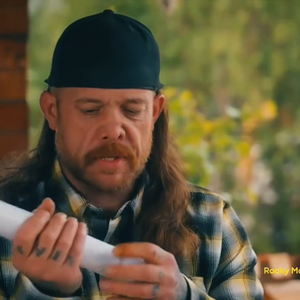
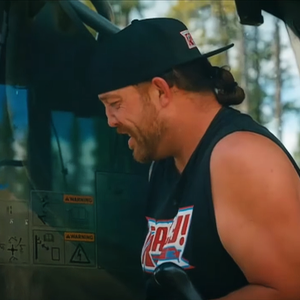
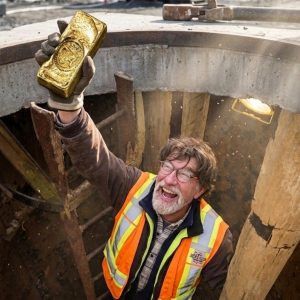
Gold Rush Season 17 just handed fan-favorite underdog Rick Ness the golden green light he fought so hard to prove at the Snake River Cut—only to slam him straight into a suffocating logistical trap that threatens to choke his comeback before it even begins. Having verified 1.2 ounces per 100 yards through six grueling test holes and survived a mid-test excavator breakdown thanks to clutch mechanic Curtis Demeyer, Rick finally possesses the hard data to unlock Snake River’s $60,000-a-day potential. Yet standing between Rick and the gold is an unforgiving Klondike reality that money alone cannot instantly solve: he simply does not have enough bodies to work the ground at the scale he desperately needs.
Outgunned by multi-plant juggernauts across the valley and trapped in the middle of an active Yukon mining season where every skilled operator is already spoken for, Rick Ness is staring down an impossible mathematical puzzle with zero room for error.
Outnumbered and Outgunned by Klondike Titans
To understand the sheer weight crushing Rick Ness right now, you only have to look thirty miles across the valley at the armies commanded by his chief rivals. Parker Schnabel is running four massive wash plants simultaneously—Phil, Roxanne, Golden Goose, and Bob—backed by a sprawling roster of operators and battle-tested lieutenants like Tyson Lee, Mitch Blaschke, and Brennan Ruault. Meanwhile, 70-year-old Dutch legend Tony Beets operates two powerhouse plants anchored by an unbreakable family spine—brother Nick Beets alongside Monica and Mike—giving him built-in leadership that never walks off the claim.
Rick Ness enjoys neither luxury. Running a lean, tight-knit crew where every single operator carries the workload of two, Rick lacks the deep bench required to launch a full-scale industrial assault on Snake River while keeping his existing operation breathing.
The Impossible Split: Starve the Old Cut or Stall the New One
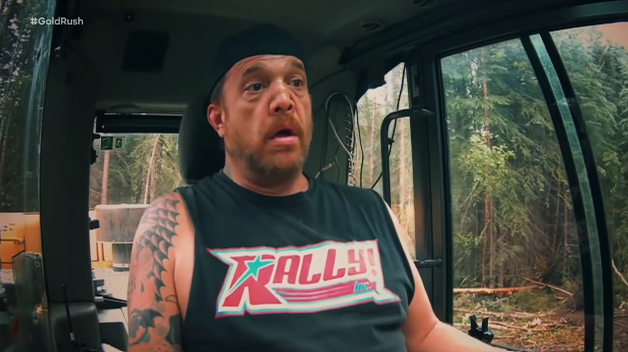
That severe manpower shortage forces Rick into a brutal, no-win operational bind. Pulling his entire crew off their current ground to swarm Snake River means shutting down existing cash flow cold—leaving proven dirt unwashed while winter frost closes in fast. Yet splitting an already small team in half across two separate sites is equally dangerous: with fewer drivers, fewer excavator operators, and stretched mechanical support, both cuts slow to a crawl, burning precious fuel and autumn daylight without hitting peak yardage.
When an operation is already running on razor-thin margins, dividing limited firepower can easily turn two promising cuts into two half-speed money pits.
Why Hiring Mid-Season Rookies Is Pure Suicide
For casual onlookers wondering why Rick doesn’t simply post a job ad and hire five new operators tomorrow, the Klondike offers a harsh answer: in the middle of an active season, every experienced miner in the Yukon already has a job.
Bringing in unproven greenhorns this late in the game carries a terrifying hidden cost. Rookies require weeks of hand-holding just to learn aging machinery, master camp safety protocols, and read treacherous permafrost terrain—and one careless mistake can snap a hydraulic line or wreck a haul truck in seconds. Across the valley, Tony Beets has already fired 40 workers by Episode 8—including greenhorn driver Michael Trosky after two wrecked dump beds—because even a $65 million empire cannot stomach a slow learning curve. Unlike Tony, Rick Ness has zero financial cushion and zero spare days on the calendar to babysit beginners from scratch.
Betting Everything on Grit Over Numbers
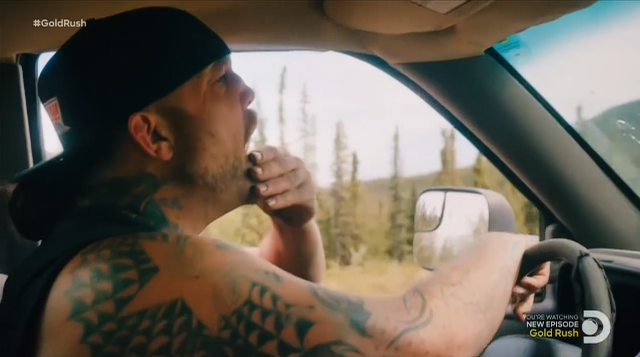
As Gold Rush Season 17 barrels toward the sub-zero autumn freeze, Rick Ness stands boxed into the tightest corner of his career. Without Parker’s four-plant army or Tony’s family fortress, Rick cannot out-spend or out-staff the Klondike—forcing him to rely on razor-sharp execution, trusted veterans, and relentless daily grit to squeeze every ounce out of Snake River before the Yukon locks solid.