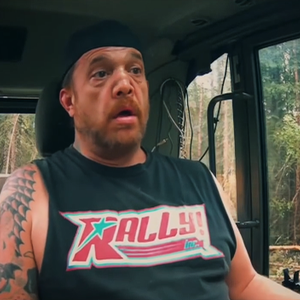
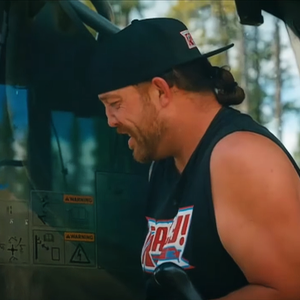
Gold Rush Season 17 has pushed fan-favorite underdog Rick Ness into a suffocating pressure cooker where the greatest threat to his Snake River Cut comeback isn’t barren gravel, a dead excavator, or rival mine bosses—it is the crushing physical exhaustion and silent, simmering resentment building inside a skeleton crew forced to carry the workload of a full-scale commercial mine.
After proving that Snake River holds 1.2 ounces per 100 yards—worth roughly $60,000 a day if his operation can push 1,000 yards of paydirt through the sluices—Rick unlocked a golden lifeline. Yet turning that survival math into reality requires industrial-grade tonnage, and with zero spare operators available in the middle of the Yukon season, every single ounce now rides on the backs of an already depleted, bone-tired team stretched past human endurance.

Doing the Work of Twenty With a Handful of Exhausted Hands
To understand the dark mood creeping into Rick Ness’s camp, you have to look at the brutal disparity between Rick’s manpower and the sheer volume of earth required to stay afloat. Across the valley, Parker Schnabel spreads grueling shifts across a massive roster feeding four wash plants, while Tony Beets commands an unbreakable family core backed by a deep bench of operators.
Inside Rick’s camp, however, there is nowhere to hide and nobody waiting on the sidelines to relieve a fatigued driver. Veteran operators like Jason and Heather Folster, alongside overworked mechanic Curtis Demeyer, are forced to shoulder commercial-scale expectations with a fraction of the manpower—bouncing nonstop between stripping overburden, hauling paydirt, nursing aging machinery, and keeping sluices fed through punishing sixteen-hour days as autumn daylight rapidly disappears.
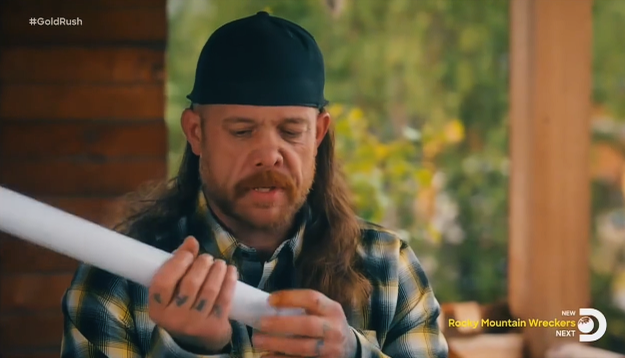
When Exhaustion Turns Small Annoyances Into Silent Resentment
In the Klondike, extreme fatigue doesn’t always announce itself with screaming matches over the radio—often, it festers quietly beneath the surface until a tight-knit crew begins fracturing from within.
When operators run on empty week after week without backup, every minor delay feels like an insult and every new demand from the top lands like a heavier brick on bruised shoulders. Remember how Rick’s crew initially refused to trust Snake River without hard test numbers? That skepticism didn’t vanish overnight just because the assay scale hit 1.2 ounces. Now, watching Rick push aggressively to open new ground while their existing workload never shrinks, tired operators inevitably begin questioning how much more punishment their bodies—and their aging iron—can absorb before something snaps.

The Hidden Danger of Overstretched Steel and Short Tempers
Equally terrifying is what happens when physical exhaustion collides with high-hours equipment. Mechanic Curtis Demeyer already proved his worth by rescuing Rick’s failing excavator twice in a single hour during the Snake River test—yet even the sharpest wrench in the Yukon cannot be in three places at once.
Fatigued operators miss subtle warning gauges, push hydraulics past safe temperatures, and make split-second judgment errors that turn a five-minute adjustment into a multi-day mechanical nightmare. And when one machine goes down in a skeleton crew, everyone else has to work twice as hard to cover the gap—feeding a vicious cycle of stress, clipped radio calls, and mounting friction between a desperate mine boss and the loyal few carrying his dream on their backs.
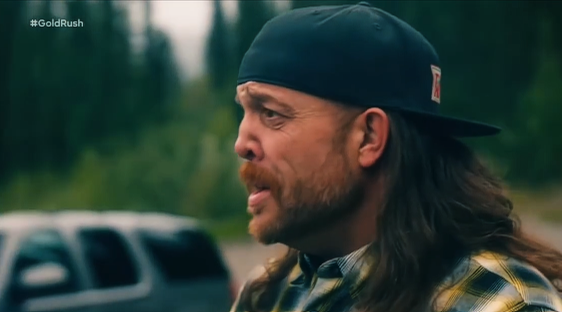
Holding the Line Before the Yukon Freezes Solid
As Gold Rush Season 17 barrels toward the sub-zero freeze, Rick Ness faces the ultimate test of leadership. Unlocking Snake River proved Rick still possesses the grit to find gold against impossible odds—now, however, keeping his exhausted, overstretched crew unified without letting silent burnout fracture his camp from the inside out may determine whether he survives the winter or watches his comeback collapse under its own weight.