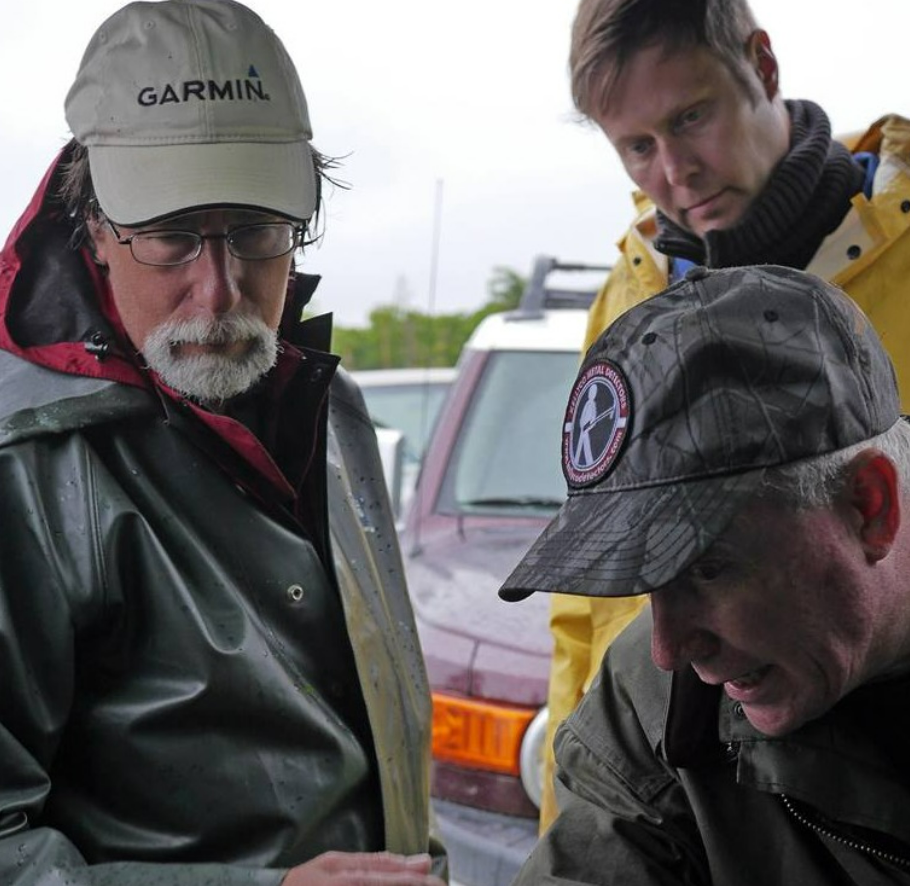
It looked small. Plain. Almost easy to dismiss. But when Gary Drayton and Rick Lagina pulled a lead cross from Smith’s Cove, the search stopped feeling like a hunt for buried treasure and started feeling like a confrontation with history itself. Because this was not just another artifact. It was the kind of find that makes Oak Island feel far less like a mystery… and far more like a trail.
The Object That Changed the Tone at Smith’s Cove
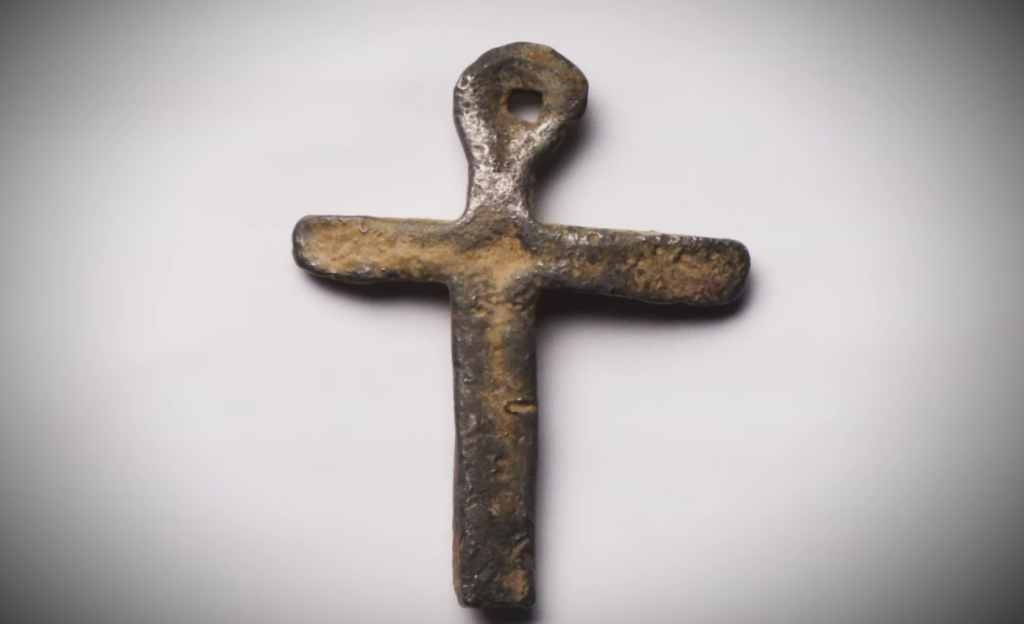
In 2017, during filming for Season 5, Gary Drayton and Rick Lagina uncovered one of the most talked-about artifacts ever found on Oak Island: a lead cross buried at Smith’s Cove. At first glance, it was easy to underestimate. Lead is not glamorous. It is not rare. In the medieval world, it was common, inexpensive, and widely used.
And that is exactly why the cross mattered.
Objects like this were often carried by pilgrims, travelers, or people making long journeys across dangerous ground and dangerous waters. A lead cross was not meant to impress anyone. It was meant to be personal, practical, and deeply tied to belief. That alone gave the find an unsettling weight.
Because on Oak Island, every object seems to arrive with a question attached. And this one came with a very old one: who brought it here, and why was it left behind?
The Science That Made the Theory Harder to Ignore

What made the cross especially important was not only where it was found, but what later analysis suggested about it. Scientific testing of the lead pointed to a source in southern France, with the metal tracing back to a mine active roughly between the 12th and 14th centuries.
That detail matters.
It pushes the artifact far beyond the idea of a random colonial-era trinket. Instead, it places the cross in the world of medieval Europe, in a time when religious journeys, secret orders, and maritime travel all carried enormous symbolic meaning. For the Oak Island team, that kind of origin immediately strengthens one of the island’s longest-running theories: a possible connection to the Knights Templar.
No one can say the cross proves that theory on its own. But it gives the theory something it badly needed — physical evidence with a historical footprint that reaches back centuries before the island’s modern searches began.
And in the world of Oak Island, that is enough to change the conversation.
Why This Cross Still Matters More Than Most Finds
The lead cross became one of the most significant objects ever recovered from Oak Island because it did something rare: it made the island feel connected to a larger story. Not just treasure, not just buried structures, but a broader network of belief, travel, and concealment that may have stretched across the Atlantic long before anyone knew how to explain it.
That is what gives the artifact its power.
A small cross made of lead should not carry this much weight. Yet this one does, because it sits at the intersection of archaeology, faith, and legend. It suggests movement from Europe to Oak Island. It suggests intention. And it suggests that whatever was hidden here may have been hidden by people who thought in symbolic terms, not just practical ones.
That is why fans still talk about it.
The cross does not solve Oak Island. It sharpens it. It gives the island a sharper edge, a deeper European shadow, and a stronger sense that someone may have arrived here with a purpose far bigger than simple survival.
And that leaves one question hanging over everything that followed:
If a medieval lead cross made its way to Smith’s Cove, what else came with it — and what was meant to stay buried all along?
 English