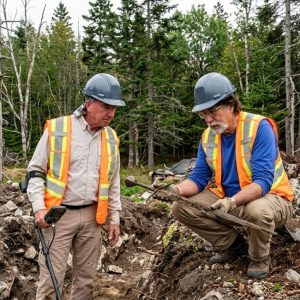
Rick Ness has fought through financial disasters, painful personal losses, and some of the toughest mining seasons of his career, but his greatest challenge may still be ahead.
After receiving a frightening medical diagnosis, the veteran Gold Rush star faces growing uncertainty over how much longer he can endure the demanding conditions of the Klondike.
Although an unexpected breakthrough recently gave Duncan Creek a second chance, his health remains a concern that no amount of recovered gold can erase.
And if his condition becomes difficult to control, Rick could face the heartbreaking possibility of stepping away from the very career he has spent years fighting to save.
Rick Ness Faces a Frightening Health Battle That Could Change Everything
Rick Ness has spent much of his professional life proving that determination can overcome almost any obstacle, but Gold Rush Season 17 has introduced a challenge that refuses to follow the familiar rules of mining.
For years, the veteran miner has battled financial difficulties, mechanical breakdowns, and devastating personal setbacks while attempting to establish himself as a successful independent operator in the Klondike.
Yet the opening weeks of the latest season revealed a much more personal struggle, one involving his physical well-being and the frightening realization that his body had been sending warning signs he could no longer afford to ignore.
Rick began experiencing overwhelming exhaustion and disturbing sleep-related symptoms, including episodes of sleepwalking that raised serious concerns about his safety.
His longtime friend Brian Zaremba encouraged him to seek medical attention, recognizing that the difficulties Rick described were far more concerning than ordinary fatigue following another demanding working day.
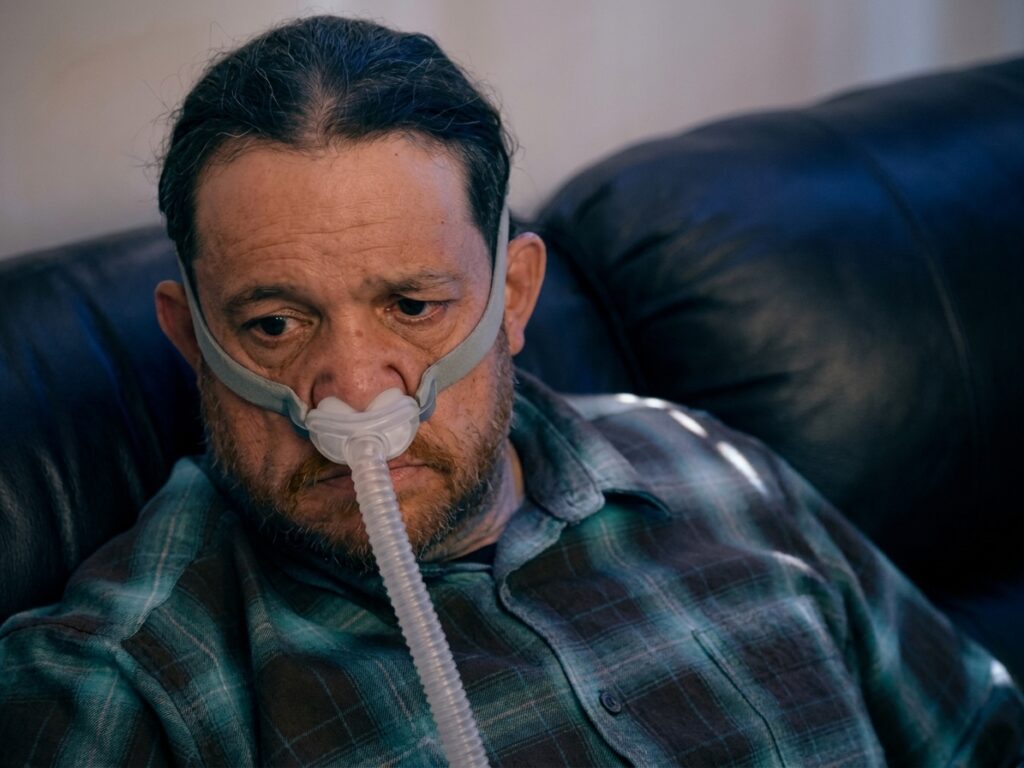
The subsequent medical evaluation led to a diagnosis of severe obstructive sleep apnea, a condition that repeatedly interrupts breathing during sleep and can significantly affect a person’s overall health.
Rick’s sleep study revealed approximately 89 breathing interruptions every hour, alongside periods when his blood oxygen saturation dropped below 60 percent, making the seriousness of his condition impossible to dismiss.
These findings
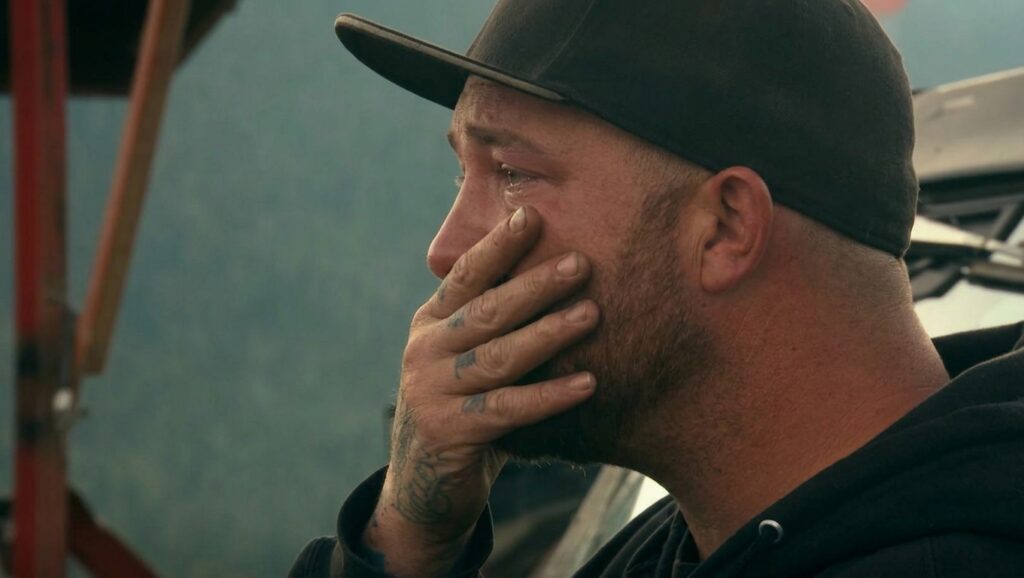
offered an explanation for the exhaustion that had increasingly affected his daily life, but they also introduced concerns about the long-term consequences of leaving such a condition untreated.
Severe sleep apnea can contribute to cardiovascular problems, excessive daytime sleepiness, and impaired concentration, creating particular difficulties for someone whose work involves enormous machinery and demanding physical conditions.
For Rick, the diagnosis represented a frightening confrontation with limits he had spent much of his career attempting to overcome through determination alone.
Although he began using CPAP treatment and experienced some improvement in his sleep, managing the disorder would require continued attention rather than another attempt to ignore uncomfortable symptoms.
The uncertainty surrounding his health also arrived at an extraordinarily difficult moment for Duncan Creek, where safety concerns involving steep excavation walls had already interrupted mining operations.
With substantial money invested and valuable working days disappearing, Rick found himself facing simultaneous threats to his financial stability and personal well-being.
The combination created a situation in which even an encouraging mining breakthrough could not completely remove the uncertainty surrounding his future.
What makes the predicament especially painful is that Rick has already endured periods when personal struggles forced him away from the goldfields, making the prospect of another interruption deeply significant.
His medical diagnosis does not establish that he is permanently unable to work, but it raises an uncomfortable question about what would happen if his symptoms became difficult to manage during another exhausting mining campaign.
A Difficult Choice Could Force Rick to Put His Mining Dream on Hold
The possibility of Rick Ness stepping away from Gold Rush carries enormous emotional weight because mining has become inseparable from his identity and the reputation he has spent years rebuilding.
Following the death of his mother and the personal difficulties that contributed to an earlier absence from the program, Rick fought to regain a sense of stability through a return to the demanding world of gold mining.
Duncan Creek became an important symbol of that determination, representing both the financial risks he had accepted and his refusal to allow previous setbacks to define his future.
However, Season 17 has demonstrated that the challenges confronting Rick cannot always be solved by purchasing equipment, moving additional dirt, or working longer hours.
His severe sleep apnea requires appropriate medical management, and the physical demands of operating around heavy equipment make adequate alertness an essential consideration.
If symptoms such as excessive daytime sleepiness returned or became difficult to control, a temporary reduction in responsibilities could become a necessary subject for discussion with his medical team.
Such a decision would be particularly difficult for Rick, whose leadership has traditionally depended on remaining closely involved in the operation and personally confronting problems as they emerge.
The financial consequences could also be significant, especially after nearly $1 million had been committed to an operation already struggling with delays and disappointing early production.
Every additional interruption threatens to reduce the time available to recover gold before winter conditions limit mining, while ongoing expenses continue
placing pressure on the business.
The arrival of mining engineer Adam Mickey offered a crucial turning point by helping establish a plan that allowed work to resume in safer areas while avoiding the unstable excavation that had triggered the shutdown.
Rick subsequently restarted Monster Red and recovered 33.40 ounces from previously stockpiled material, providing a welcome result after weeks of uncertainty.
However, that achievement did not eliminate his medical condition or guarantee that the operation could maintain consistent production throughout the remainder of the season.
The distinction is particularly important because an improvement in mining conditions cannot replace improvements in physical health, regardless of how desperately Rick wants the operation to succeed.
His crew may be able to develop additional ground, keep Monster Red running, and pursue new opportunities, but those achievements still depend on effective management and safe working practices.
If Rick eventually needed a longer recovery period, responsibilities might have to be redistributed among experienced crew members or the scale of operations reconsidered.
Previous discussions with Tony Beets about potential business arrangements also demonstrated that alternatives to complete independence could become relevant if the financial pressure grew too difficult to manage.
Yet there is no confirmation that Rick has chosen to sell Duncan Creek, withdraw from the series, or surrender control of his operation.
The uncertainty instead lies in whether he can continue balancing treatment, leadership responsibilities, and the demanding realities of gold mining without allowing one priority to undermine the others.
Could Gold Rush Lose Rick Ness as His Future Hangs in the Balance?
The possibility of Rick Ness leaving Gold Rush Season 17 would represent a significant turning point for viewers who have followed his transformation from an experienced crew member into one of the program’s most recognizable independent mine bosses.
His journey has never followed an easy path, with repeated setbacks demonstrating how difficult it can be to maintain a successful operation while confronting financial uncertainty and personal hardship.
That history makes the current situation especially compelling, because Rick has already shown remarkable resilience in returning to the Yukon after periods when his future appeared uncertain.
His latest medical diagnosis, however, introduces a different kind of challenge that cannot be evaluated through gold weigh-ins or production statistics alone.
Although the early response to CPAP treatment offered encouragement, the long-term management of severe sleep apnea remains an important consideration for anyone working in a physically demanding and potentially hazardous environment.
A return to difficult symptoms would not automatically mean the end of Rick’s mining career, but it could require changes to his workload, additional medical assessment, or temporary time away from certain responsibilities.
Those possibilities become particularly consequential when considered alongside the financial commitments and operational complications surrounding Duncan Creek.
The recent restart of Monster Red demonstrated that the mine still has opportunities to generate gold, while the exploration of additional ground suggests Rick has not abandoned his efforts to keep the season moving forward.
However, the successful processing of stockpiled material represents only an early step in a much larger recovery that will require productive ground, dependable machinery, and careful management of remaining resources.
Maintaining that momentum could become increasingly difficult if medical concerns interfere with Rick’s ability to oversee the operation as he normally would.
For a man accustomed to measuring progress through hard work and persistence,

accepting the need to prioritize recovery might prove emotionally challenging, especially after sacrificing so much to rebuild his career.
Yet the circumstances also offer an opportunity to redefine what a successful comeback should involve, because preserving his long-term health could ultimately matter more than forcing another short-term production victory.
There has been no official confirmation that Rick is preparing to leave Gold Rush permanently, and the latest developments continue to place him within the ongoing Duncan Creek storyline.
Nevertheless, the uncertainty created by his diagnosis has introduced a difficult possibility that fans cannot completely ignore.
If his condition remains controlled and mining continues safely, Rick could still turn the troubled opening weeks into another memorable comeback.
If additional complications emerge, however, he may need to confront decisions that could temporarily change his relationship with the mine and the television program.
Either outcome would carry consequences extending beyond the immediate search for gold, because Rick’s struggle has become a story about resilience, personal responsibility, and the limits of sacrifice.
As Season 17 continues, Duncan Creek remains a valuable opportunity that Rick is determined to protect, but the future of its owner may depend on decisions far more important than choosing which ground to excavate next.
The veteran miner has already demonstrated that he can survive devastating setbacks and rebuild after painful losses, yet the greatest test of his determination may involve recognizing when protecting his future requires a different approach.
Gold can be recovered in another season, machinery can be repaired, and mining plans can be revised, but the consequences of neglecting a serious medical condition may be far harder to reverse.
Rick Ness has not announced his departure, and his story remains unfinished, but the possibility of another difficult health chapter casts a shadow over a season in which every decision could shape the years ahead.