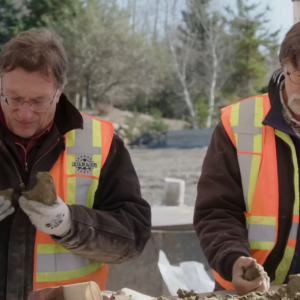
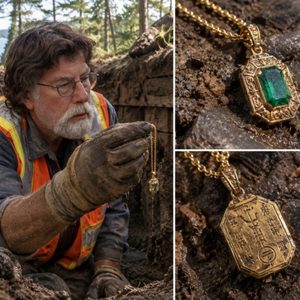
Gold Rush Season 17 has pushed Parker Schnabel’s empire to the absolute brink of mechanical paralysis at the Quagmire Cut, where crushing expectations collided head-on with an unforgiving Yukon drought. Built up as a 4,000-ounce gold mine capable of fueling Parker’s relentless 13,000-ounce season chase, the Quagmire Cut opened with a brutal gut punch—yielding fewer than 200 ounces from its stubborn top layers while burning astronomical fuel across four simultaneous wash plants.
Just as the crew fought to dig deeper into richer gravel, disaster struck the water supply, forcing master mechanic Mitch Blaschke and battle-tested foreman Brennan Ruault into a high-tension, off-the-wall survival gamble that nearly snapped under pressure.
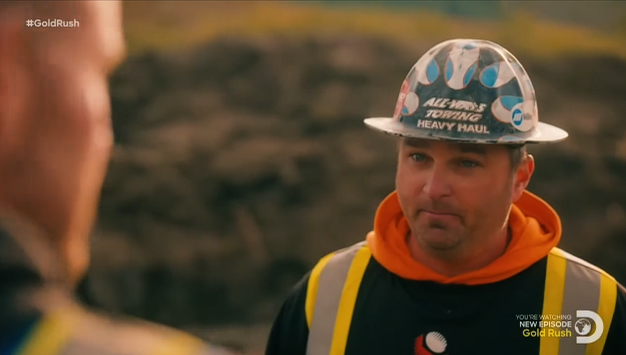
Suffocating Pressure at the Quagmire Cut
Inside Little Flake Mining, running four commercial wash plants simultaneously leaves zero room for dead weight. Every single cut must pull its share of the load, and the Quagmire Cut carried sky-high expectations—projected to hold up to 4,000 ounces of gold. Instead, early stripping and initial runs yielded a dismal under-200-ounce return, turning the pit into an expensive headache while Parker scrambled to stay within striking distance of his 13,000-ounce target.
Then Mother Nature tightened the vise. A prolonged stretch without rain dried out the surrounding terrain, draining the cut’s holding pond down to critical levels. Worse yet, the crew lacked enough pipeline to pump fresh water in from distant sources. When Mitch Blaschke inspected the starving reservoir, the verdict was unmistakable: without continuous pressurized water to wash gravel and separate heavy gold in the sluice runs, Roxanne could not survive. Running the plant dry would destroy bearings, pumps, and screens in minutes—leaving Mitch with only one agonizing choice: shut Roxanne down completely.
Mitch’s Off-the-Book Gamble Meets Brennan’s Skepticism
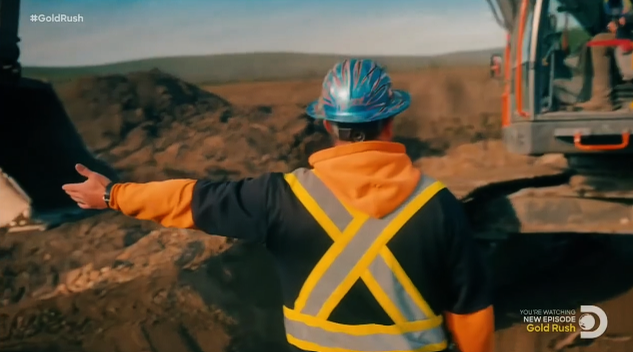
Shutting down a major wash plant in the middle of a tight season feels like bleeding money in slow motion. Refusing to watch Roxanne sit dead in the mud while precious autumn days slipped away, Mitch Blaschke proposed an unconventional, outside-the-box rescue: turn their massive articulated rock trucks into makeshift water haulers.
Instead of hauling gold-bearing paydirt from the trench to the hopper, the entire haul fleet would halt dirt production for two full days—making slow, relentless round-trip runs to dump water directly into the depleted reservoir until Roxanne had enough liquid lifeblood to roar back to life.
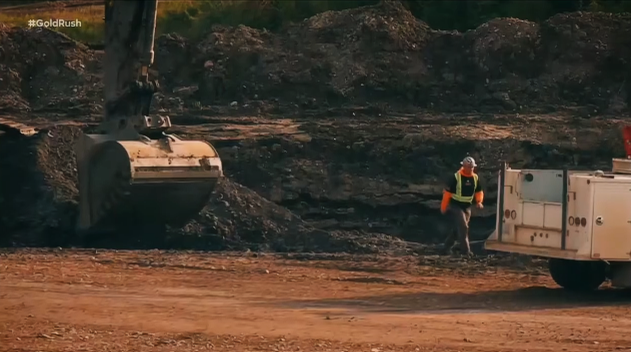
For veteran foreman Brennan Ruault, Mitch’s unorthodox plan triggered immediate skepticism. Stopping dirt haulage for forty-eight hours meant zero yardage fed, massive diesel burn on slow water runs, and agonizingly gradual progress. Yet staring at bone-dry ponds and missing pipelines, Brennan and the crew faced a harsh Klondike truth: there were simply no other options left on the table.
Mechanical Sabotage Under the Hood
For two grueling days, the heavy rock trucks crawled back and forth in a nerve-shredding battle against the clock, slowly raising the water line inch by inch. Then, just as momentum began building, mechanical trouble struck right in the middle of the rescue: a cracked reservoir tank underneath the hood of one of the haul trucks.
In a high-stress operation where every single truck cycle mattered, losing a rig to an under-the-hood failure threatened to stall the entire refill timeline and waste days of grueling effort. Racing against time, the mechanics swarmed the crippled truck, executed a rapid, gritty field repair, and threw the machine straight back into the haul rotation without losing critical hours.

Two Days Lost, Yet Roxanne Roars Back
By refusing to panic and committing fully to Mitch’s crazy workaround, the crew finally filled the holding pond high enough to fire Roxanne back up. Despite losing two full days of washing while rock trucks played water carriers, the plant tore back into the Quagmire Cut and still delivered an impressive 118.30 ounces for the week.
As Gold Rush Season 17 barrels toward the autumn freeze, the Quagmire Cut water crisis proved once again that surviving in the Yukon isn’t about having perfect conditions—it is about having stubborn leaders willing to bend heavy steel to their will when the well runs dry.