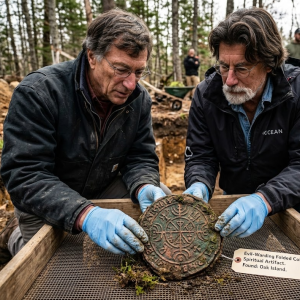
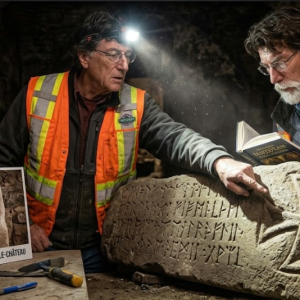
For years, Oak Island has thrived on the thrill of discovery. A coin, a button, a pottery shard, or a fragment of worked metal can instantly ignite fresh speculation about buried treasure, hidden tunnels, or mysterious visitors from centuries past. These objects are dramatic, easy to headline, and perfect for fueling the island’s legend. But for anyone trying to understand what really happened there, the most important evidence is often not the object itself. It is the context in which that object is found.
That is why stratigraphy, wood, and metal analysis matter far more than isolated artifacts. A single relic can be intriguing, but it rarely tells a complete story. It may suggest that someone was on the island at some point in history, but it does not automatically explain why they were there, what they were doing, or whether the object is connected to a larger structure or event. On a site like Oak Island — excavated, drilled, flooded, and disturbed over generations — context is what separates exciting speculation from meaningful evidence.
Stratigraphy reveals sequence, not just surprise
One of archaeology’s most powerful tools is stratigraphy, the study of soil layers and how they formed over time. On Oak Island, this matters because the central mystery is not simply whether people once visited the island. The bigger question is whether they engineered something there — something buried, concealed, flooded, or altered deliberately.
A loose artifact can never answer that question on its own. A coin may be old, but it could have been dropped, washed into place, or moved by later digging. Oak Island has been searched so aggressively for so long that many isolated finds may no longer be in their original positions. That makes them interesting, but not always decisive.
Stratigraphy helps researchers reconstruct sequence. If a timber lies beneath an undisturbed soil layer, and that layer sits below evidence of later activity, archaeologists can begin to establish a timeline. They can ask which features are original, which were disturbed later, and whether separate discoveries belong to the same phase of activity or to completely different episodes spread across centuries. In a place as messy as Oak Island, that layered order matters far more than a single object lifted dramatically from the ground.
Wood can point to structure, labor, and design
If stratigraphy provides sequence, wood often provides some of the strongest clues of intentional human activity. Timbers, planks, stakes, and cut boards are important not because they look spectacular, but because they can indicate construction. Their depth, placement, arrangement, and tool marks may reveal whether they were part of a shaft, a tunnel support, a platform, a wharf, or another engineered feature.

Wood is also valuable because it can often be dated. Techniques such as radiocarbon dating and dendrochronology can help estimate when a tree was cut, giving researchers a much firmer chronological anchor than many isolated artifacts can offer. That makes worked wood especially important on Oak Island, where so much speculation centers on hidden underground structures and shoreline engineering.
A random artifact may only suggest presence. A series of worked timbers at consistent depths suggests planning, labor, and purpose. That is a critical distinction. Oak Island’s mystery has always depended on whether there is evidence of deliberate design beneath the surface. In that context, wood does far more than decorate the story. It may help define it.
Metal analysis helps separate signal from noise
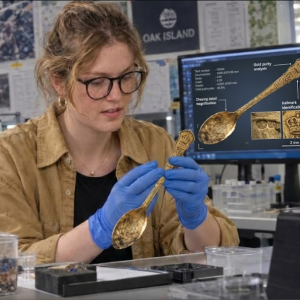
Metal matters for similar reasons. Not every fragment is visually dramatic, but careful analysis can reveal how an object was made, how it was used, and whether it belongs to an early historical phase or to much later search activity. Composition testing can show whether a piece was hand-forged or industrially produced. Corrosion patterns may indicate whether it sat in saltwater, wet soil, or a more enclosed environment. Tool marks or alloy composition may also point to a specific period or technology.

This is crucial on Oak Island because the site has been contaminated by centuries of digging, drilling, machinery, and failed search operations. Metal from excavation tools or modern equipment can easily be mistaken for something much older if judged only by appearance. Without analysis, a fragment may create more confusion than clarity.
That is why stratigraphy, wood, and metal are more important than isolated artifacts. Together, they allow researchers to test whether multiple lines of evidence support the same explanation. A loose object may generate headlines, but layered soil, dated wood, and analyzed metal can begin to build a real case. On Oak Island, the biggest breakthrough may not come from the next flashy relic. It may come from evidence that finall