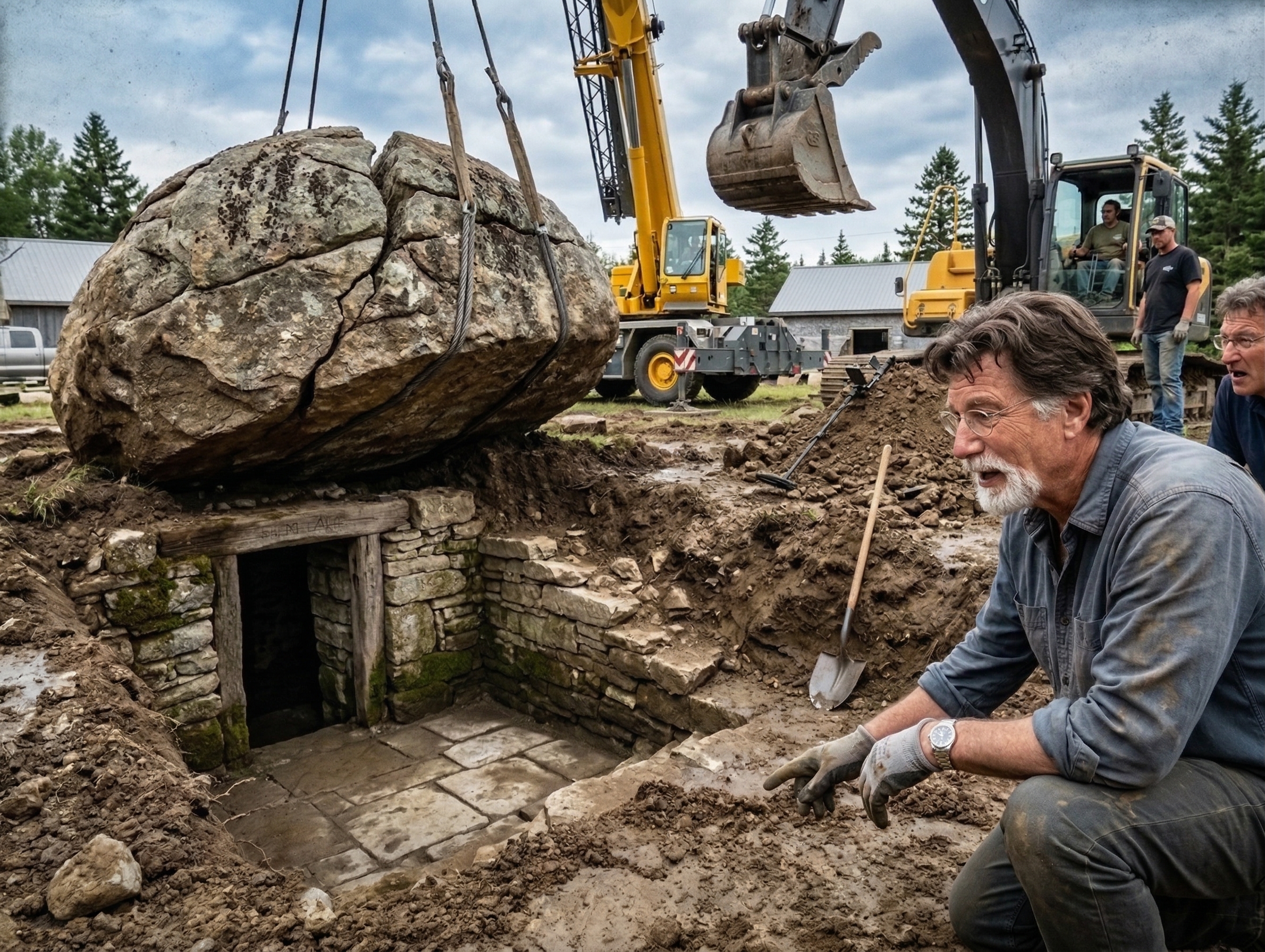
The long-running mystery of Oak Island may be entering a significant new phase, as the latest developments from The Curse of Oak Island suggest that a key discovery could reshape the direction of the investigation. In Season 13, Episode 18, titled Breaking the Seal , the team focuses on a 40,000-pound boulder on Lot 8—one that may have concealed a man-made structure for centuries.
For decades, Oak Island has captivated historians, treasure hunters, and viewers alike with its layered secrets, engineering puzzles, and unresolved questions. Now, the removal of this massive stone could provide one of the clearest indications yet that parts of the island were deliberately constructed to hide or protect something underground. A Boulder That May Have Been More Than Just Stone The scale of the discovery immediately stands out. Moving a 40,000-pound boulder is no small task, even with modern equipment.
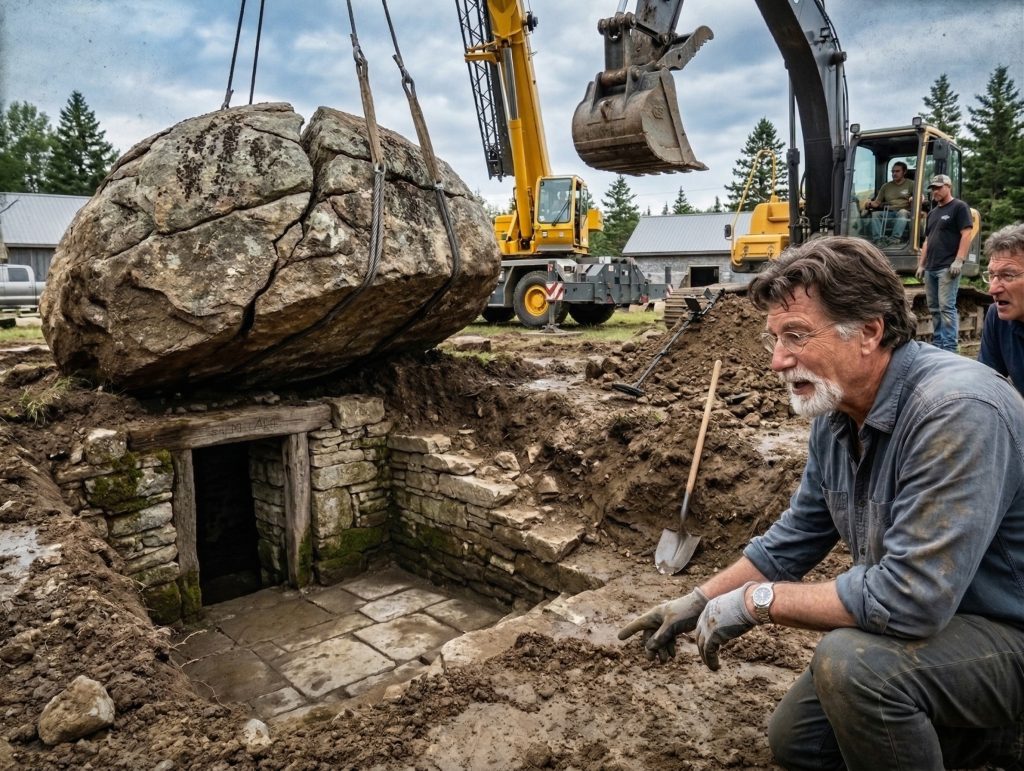
The idea that such a stone may have been intentionally placed centuries ago raises critical questions about the people who once worked on the island. According to early findings, once the boulder was lifted, the team identified what appears to be a structured feature beneath it—one that does not resemble a natural formation. Instead, it shows signs of deliberate construction, suggesting that the stone may have acted as a capstone, sealing an entrance below.
In historical contexts, large stones have often been used to block access points to underground chambers, tunnels, or vaults. If that pattern holds true here, the structure beneath Lot 8 could represent a shaft, a tunnel entrance, or part of a broader underground system.
Expanding the Focus Beyond the Money Pit For much of Oak Island’s recorded history, attention has centered on the Money Pit, the site first discovered in the late 18th century. However, recent seasons have gradually shifted that focus, exploring other areas of the island that may hold equally important clues. Lot 8 has emerged as one of those areas. The possibility that it contains a similar engineered feature to those found in the Money Pit could suggest that the island was designed as a network rather than a single excavation site.
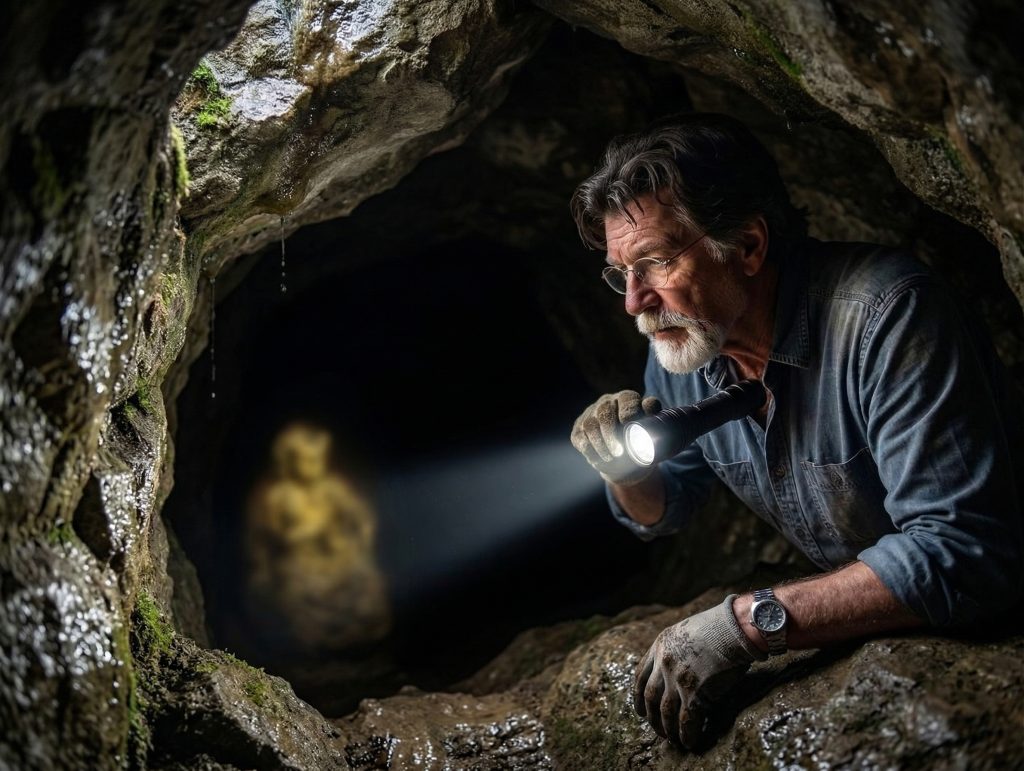
One particularly intriguing detail from the episode hints that the structure beneath the boulder may resemble what has previously been identified as Slot 5 in the Money Pit. If confirmed, this would indicate consistent construction techniques across different parts of the island—strong evidence of a coordinated plan. Such a finding would support the theory that Oak Island contains multiple shafts, each potentially serving a specific function.
These could include access routes, ventilation systems, or even diversionary features designed to mislead anyone attempting to locate what lies beneath. Signs of a Possible Underground Vault At the same time, activity at the Money Pit continues to generate interest. During the episode, team members react to what appears to be a wooden structural element—something that could be part of a vault-like construction.
Wooden vaults have long been discussed in Oak Island theories, often described as protective chambers designed to store valuable materials. If the team has indeed uncovered remnants of such a structure, it would strengthen the argument that the island was engineered with a clear purpose. The presence of preserved wood also opens the door to scientific dating methods.
Techniques such as dendrochronology could help determine when the timber was cut, potentially narrowing down the timeline of construction. This, in turn, could bring researchers closer to identifying who built the system.
A New Lead Across the Atlantic Beyond the physical discoveries on the island, the research team is also exploring a historical lead connected to the so-called Zena map. According to preliminary findings, three churches along the west coast of France may form a directional alignment that points toward Oak Island.
If this alignment proves meaningful, it could introduce a new dimension to the investigation. Throughout history, architectural alignments have sometimes been used as symbolic markers, navigational guides, or coded references. France has long been linked to various Oak Island theories, particularly those involving medieval groups, maritime explorers, and religious orders. An alignment of churches could suggest that the island’s mystery is part of a broader transatlantic narrative rather than an isolated local phenomenon.
Engineering Beyond Its Time? One of the most persistent questions surrounding Oak Island is the level of engineering involved. Over the years, discoveries have included wooden platforms, layered construction, and evidence of water control systems. If the structure beneath the Lot 8 boulder is confirmed to be man-made, it would add to a growing body of evidence suggesting that the island’s underground features were carefully planned and executed.
This raises several important questions. Who had the knowledge and resources to build such a system? When was it constructed? And what was its intended purpose? Possible answers range widely—from medieval religious groups to early explorers or organized engineering teams operating during the colonial period. Each new discovery adds context, but also introduces new possibilities.
A Turning Point in the Investigation? For Rick Lagina and the rest of the team, moments like this represent more than just technical progress. They reflect years of persistence, setbacks, and continued belief in the mystery.
The removal of the boulder and the discovery beneath it may mark a turning point—not necessarily because it reveals definitive answers, but because it strengthens the case that Oak Island’s secrets are the result of intentional design. If the structure leads to a shaft or connects to other known features, it could change how the team approaches future excavations. Instead of focusing on a single location, they may begin to treat the island as a connected system with multiple entry points.
What Comes Next? As the investigation continues, the focus will likely remain on careful excavation and detailed analysis. Any artifacts, materials, or structural elements uncovered will need to be studied within both archaeological and historical frameworks. While it remains uncertain whether these discoveries will lead directly to treasure, they are undeniably bringing researchers closer to understanding the true nature of Oak Island.
For now, the lifting of a single massive stone has opened the door—quite possibly—to something much larger beneath the surface. And with each new layer uncovered, the mystery becomes not only deeper, but clearer in its complexity.
 English