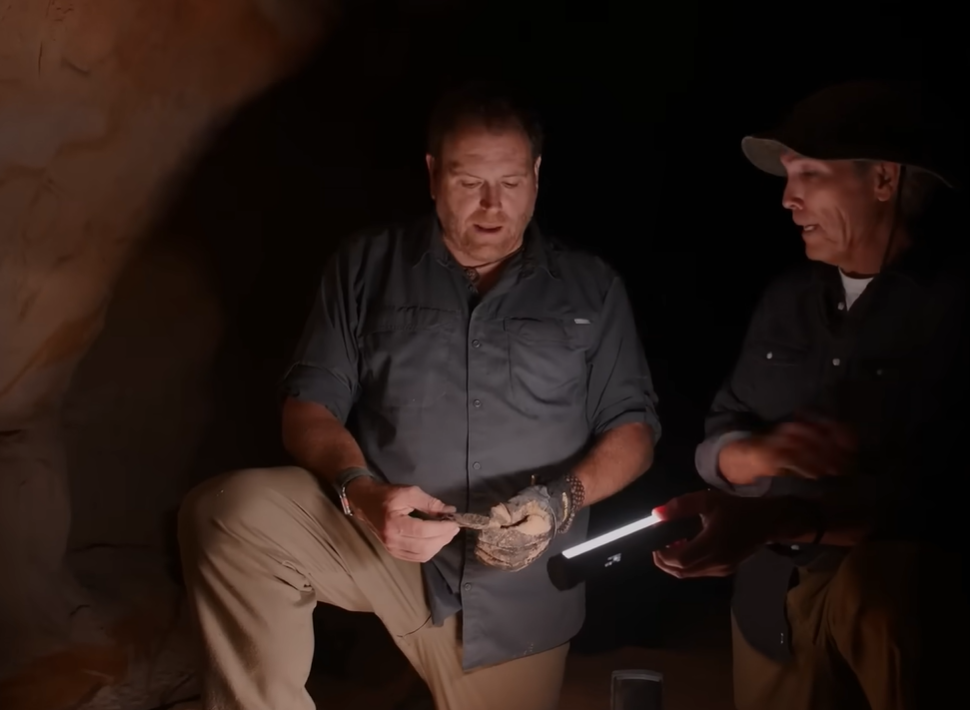
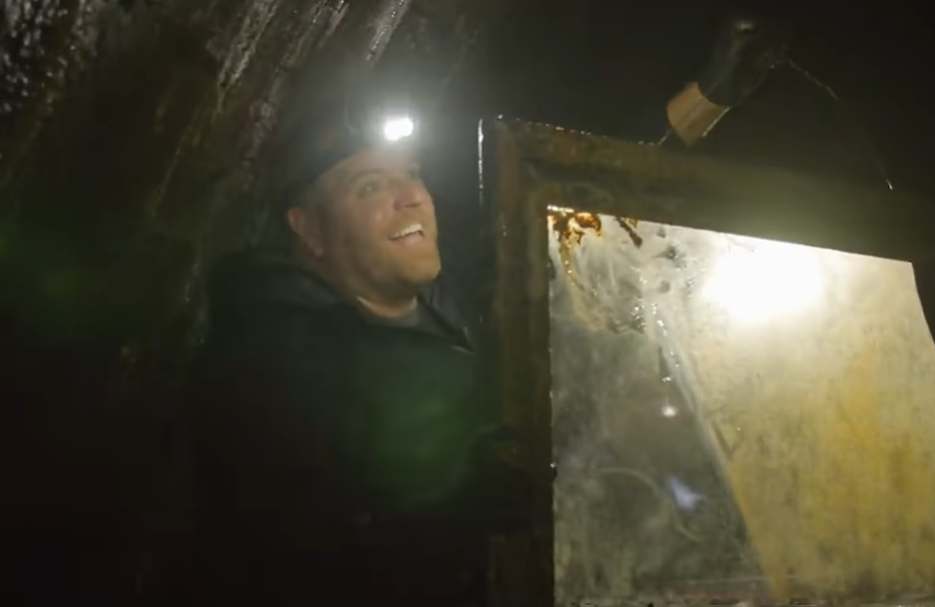
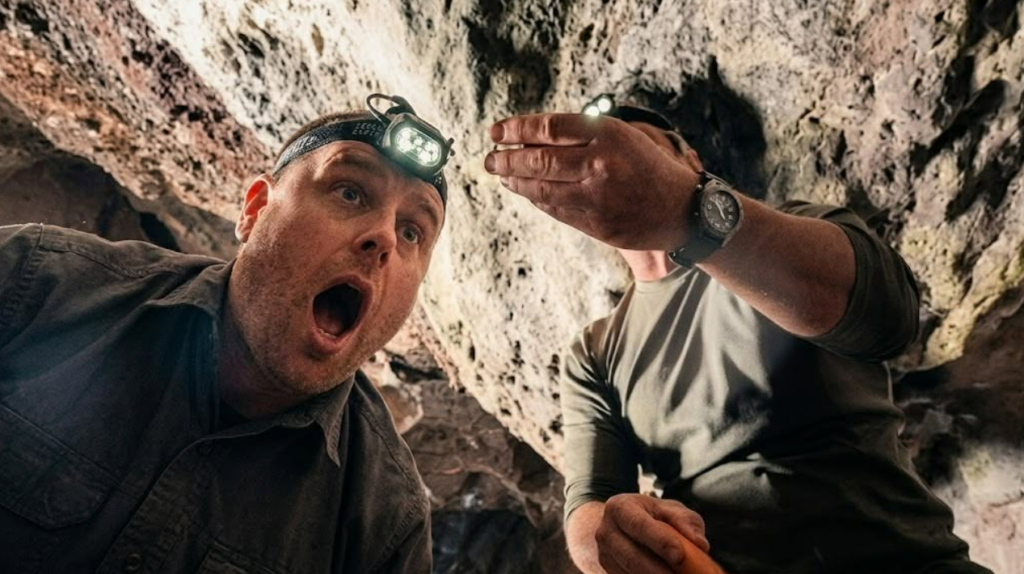
The world’s most profound historical secrets are often hidden far away from the sun, swallowed by unpredictable bodies of water or buried deep within uncharted, pitch-black caves. In his relentless pursuit of the truth, seasoned explorer and television host Josh Gates has continually proven that the most compelling archaeological discoveries require venturing directly into the dark. Through the expansive investigations featured on Discovery Channel’s Expedition Unknown and Expedition Files, Gates takes audiences beneath the surface to uncover relics, lost cities, and sunken treasures that time deliberately left behind.
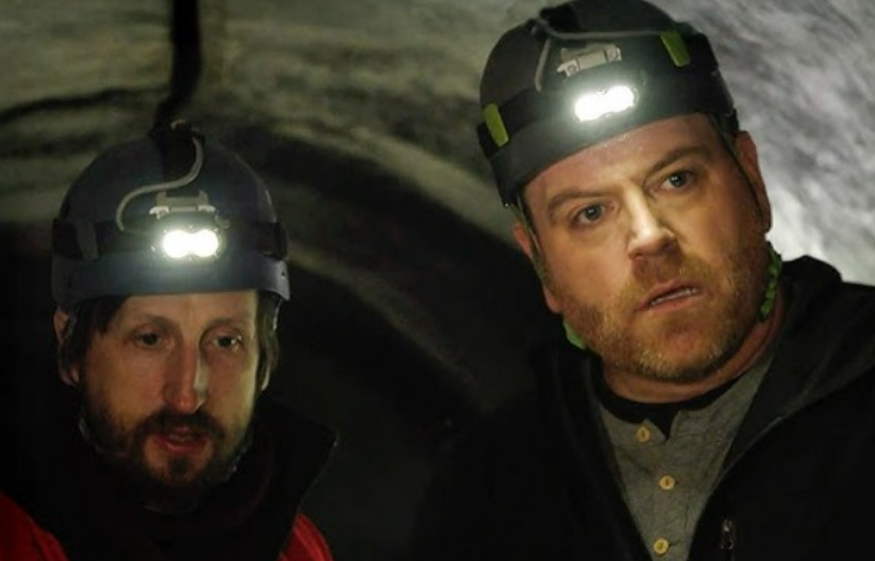
From navigating the claustrophobic depths of ancient Mayan cenotes in Mexico—long believed to be sacred gateways to the underworld—to plunging into the icy, unforgiving currents of the Baltic Sea in search of lost World War II submarines, Gates’ deep-water expeditions represent the most physically demanding work of his career. Whether he is scuba diving alongside specialized marine archaeologists or employing state-of-the-art sonar to map out submerged anomalies, his mission remains the same: separating myth from tangible historical reality.
One of the most defining aspects of these underwater and subterranean investigations is the sheer scale of the history waiting in the dark. Dedicated viewers have watched Gates dive into the high-altitude, freezing waters of South America’s Lake Titicaca to investigate the submerged ruins of the Tiwanaku people, famously dubbed the “Atlantis of the Andes.” In other ambitious, globe-trotting treks, he has explored the legendary sunken city of Dwarka off the coast of India and traced the murky trails of infamous pirates like Captain Kidd, pulling centuries-old artifacts directly from the ocean floor.
The transition from terrestrial digging to underwater exploration introduces a massive layer of danger and unpredictability to every expedition. Zero-visibility conditions, shifting ocean sediment, claustrophobic cave systems, and the constant threat of equipment failure turn standard archaeological fieldwork into high-stakes survival scenarios. Yet, the payoff is undeniably spectacular. Uncovering untouched sacrificial altars, ancient human remains, or the skeletal hulls of lost royal fleets provides a pristine glimpse into the past that surface-level sites rarely offer.
As the Expedition franchise continues to expand, pushing the boundaries of what is possible with cutting-edge 3D scanning, underwater drones, and deep-sea submersibles, Gates remains at the forefront of modern exploration. For history enthusiasts and adventure seekers alike, these submerged journeys prove that the most thrilling chapters of human history have not yet been fully written—they are just waiting for someone brave enough to hold their breath and dive in.