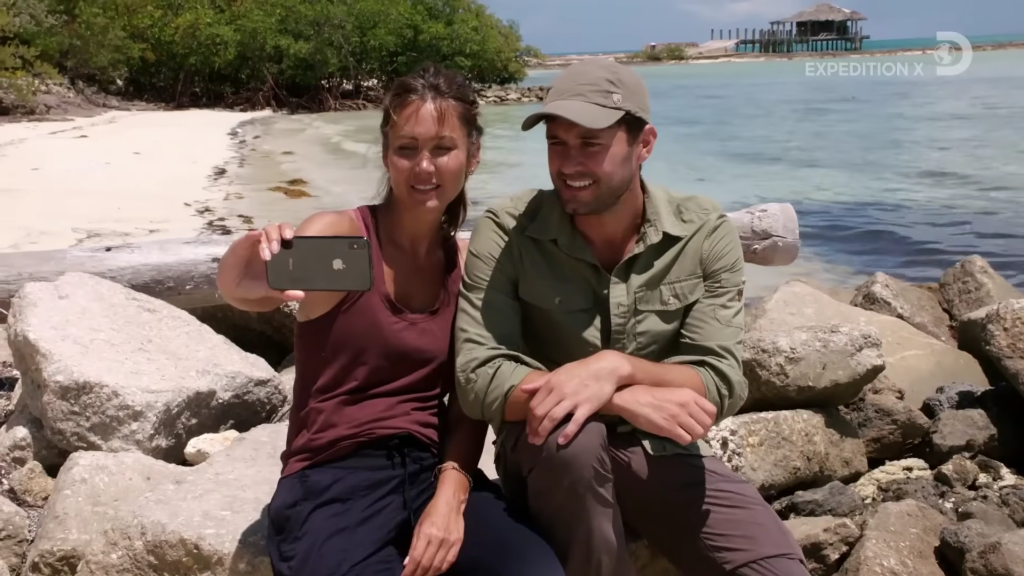
The crystal-clear waters of the Bahamas are universally known as a tropical paradise, but for the team of Expedition X, the sun-drenched shores of Andros Island quickly morphed into a claustrophobic nightmare. In their latest high-stakes investigation, the crew plunged into the treacherous, uncharted depths of the infamous Blue Holes. They were searching for the Lusca—a mythological leviathan described by terrified locals as a monstrous hybrid, half-shark and half-octopus. What they actually found lurking in the flooded cave systems might be far more terrifying than the legend itself.
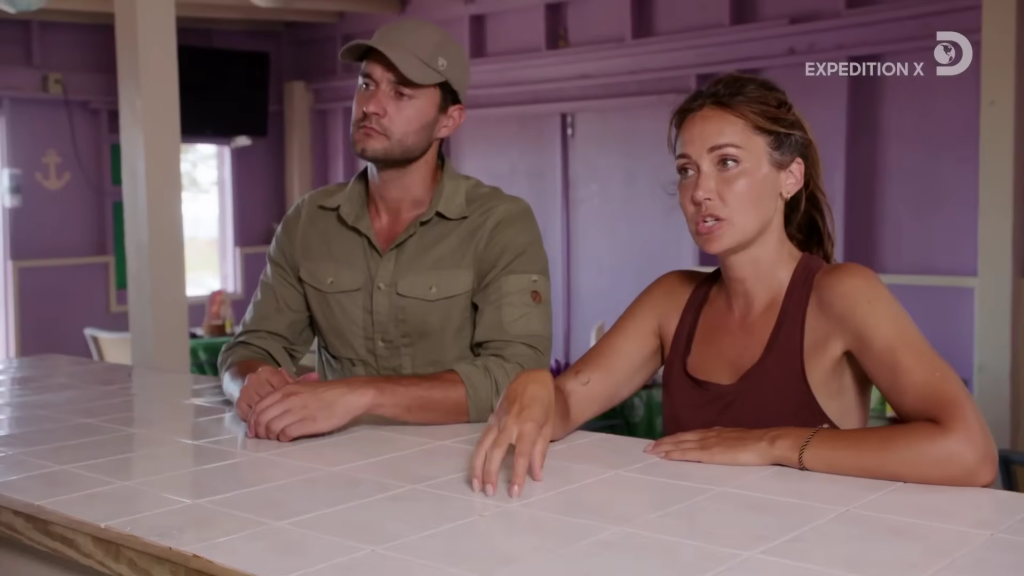
From the moment the Expedition X crew set foot on Andros, the atmosphere was thick with a creeping sense of dread. The Blue Holes are not just scenic underwater caves; they are a sprawling, pitch-black labyrinth of submerged tunnels connecting the inland island to the vast, unforgiving ocean. These sinkholes have claimed the lives of countless experienced divers. Yet, pushed by the relentless curiosity of Josh Gates, biologist Phil Torres geared up to dive into the abyss, armed with a healthy dose of scientific skepticism and a very fragile safety line.
The terror began the second Phil descended into the suffocating darkness of the inland sinkhole. Far removed from the safety of the surface, he was immediately confronted by a violent, unexplained hydrodynamic anomaly. A massive, unnatural suction force began violently pulling water—and Phil—deeper into the jagged, uncharted subterranean cave. The sheer panic captured in this moment is visceral. This wasn’t a standard tidal pull; the sheer velocity of the vortex felt distinctly predatory, as if the cavern itself was inhaling, trying to drag the skeptical scientist into its lightless belly.
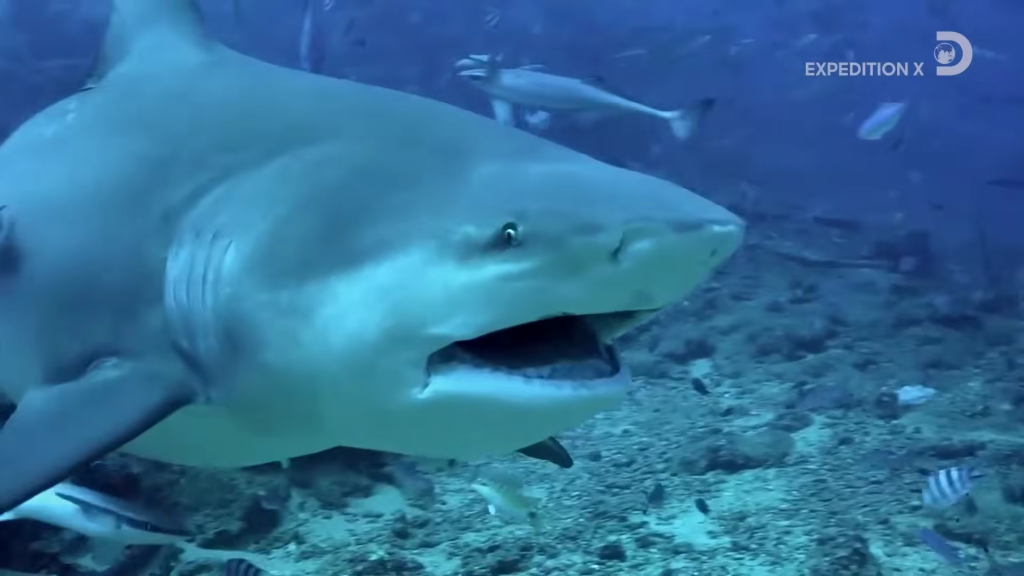
The physical exhaustion and genuine terror on Phil’s face forced an immediate, emergency abort of the manned dive. But the Expedition X team couldn’t leave the mystery unsolved. Refusing to risk human life further in the deadly vortex, they deployed a state-of-the-art Remote Operated Vehicle (ROV) to penetrate the deepest, most dangerous confines of the flooded labyrinth. As the ROV’s camera beamed grainy, green-tinted footage back to the surface monitors, the tension among the crew reached a suffocating peak. The shadows in the deep seemed to twist and writhe in the artificial light.
Attempting to ground the terrifying situation in hard science, Phil theorized that the Lusca might actually be an undiscovered, colossal species of octopus. In a chilling biological breakdown, he explained that cephalopods possess absolutely no bones, save for a razor-sharp, parrot-like chitin beak. This anatomical nightmare means a creature of gargantuan proportions could effortlessly flatten its body, squeezing through cracks and fissures barely inches wide. Suddenly, the claustrophobic walls of the Blue Hole didn’t seem like solid barriers anymore—they were hiding spots for a boneless, shape-shifting apex predator.
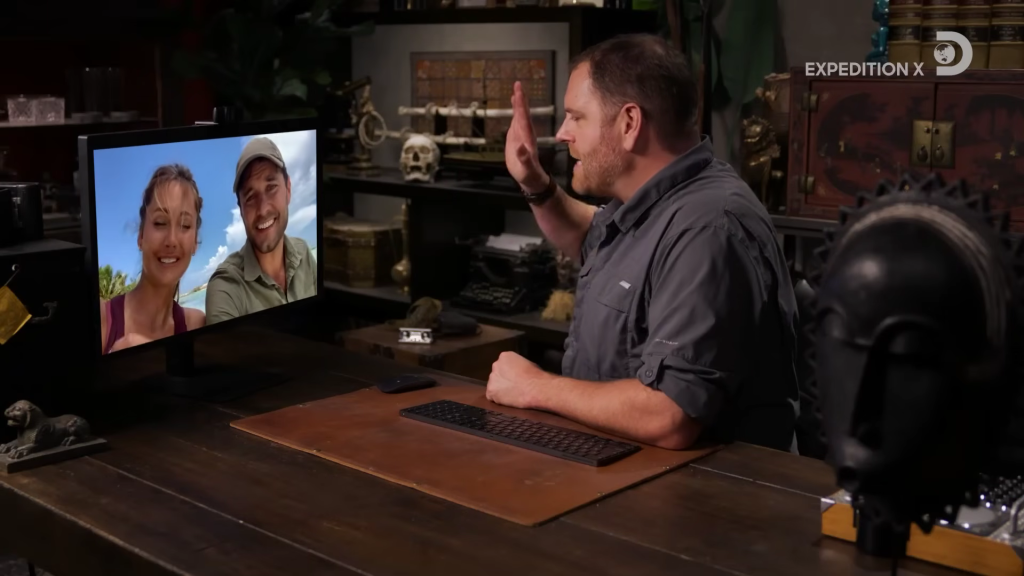
This scientific rationalization didn’t soothe the team’s fears; it actively amplified them. If a massive, boneless predator was navigating these narrow geological arteries, then nowhere in the Blue Holes was truly safe. When the ROV’s lights flickered and the live feed suffered unexplainable static interference, viewers were left staring at the edge of their screens, analyzing every floating shadow. What exactly caused the ROV footage to cut out at the most crucial moment of the descent? The show’s editors left frustratingly brilliant gaps in the sequence, leaving us wondering just how close the mechanical drone came to the creature’s crushing grip.
As the episode concludes, we are left with a chilling, unanswered question about the true source of that powerful underwater suction. Whispers among marine cryptid researchers suggest that a massive, unreleased segment of the ROV’s thermal and sonar data reveals an anomaly that science simply cannot ignore. Could the violent vortex Phil barely escaped not be a geological current at all, but the colossal intake of water from a gigantic, hidden cephalopod breathing in the dark? If Expedition X ever unseals the unedited dive logs, we might discover that the team didn’t just find the Lusca’s lair—they were nearly sucked into its waiting, razor-sharp beak.