The blood-soaked soil of Europe holds countless dark secrets from World War II, but the latest two-part event of Expedition X plunges into a nightmare that defies historical explanation. Deep in the heart of Wałbrzych, Poland, lies the sprawling, subterranean labyrinth known as Project Riese. Constructed by the agonizing forced labor of concentration camp prisoners, these underground bunkers are already a monument to human suffering. But what the team discovered hidden in the nearby Totenburg Mausoleum suggests the Third Reich was dabbling in forces far more sinister than conventional warfare.
Under the relentless direction of Josh Gates, biologist Phil Torres and paranormal investigator Heather Amaro descended into the pitch-black, claustrophobic tunnels of Totenburg. The oppressive weight of the concrete structure was immediately suffocating, but it was the chilling discoveries in the dead of night that shattered the team’s scientific detachment. This was no ordinary military bunker; it was a cathedral built for the macabre.
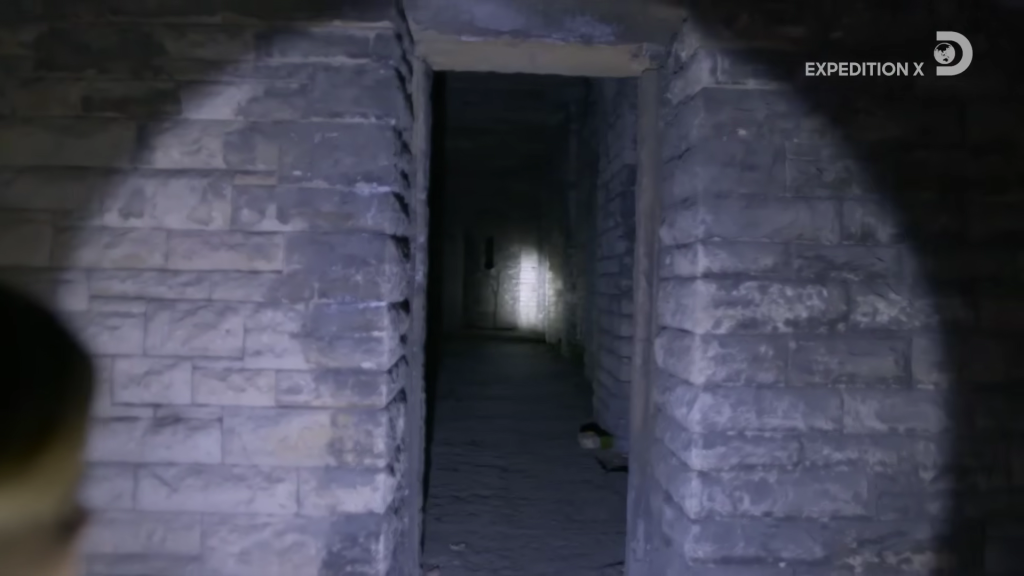
As their flashlights pierced the gloom at exactly 45:25 into the broadcast, the reality of the location took a sickeningly dark turn. The concrete walls were not lined with military schematics, but with blatant, horrifying occult iconography. The number 666 was etched into the environment, accompanied by a grotesque chandelier forged in the shape of a demon, and the unmistakable, ritualistic placement of a goat skull.
Phil Torres, the ever-rational scientist who usually attempts to debunk environmental anomalies, found himself staring at physical, undeniable proof of black magic. You can explain away an odd sound as settling masonry, but you cannot scientifically debunk a meticulously arranged Satanic altar in a forgotten Nazi tomb. The profound silence from Phil as he processed the goat skull spoke volumes. Was this the residual evidence of Heinrich Himmler’s infamous SS occult obsessions, or has a modern, dangerous cult claimed this blood-soaked ground as their own?
Heather Amaro’s intuitive reactions amplified the sheer terror of the investigation. The energy trapped within these walls is heavy with the agony of the forced laborers who died carving Project Riese out of the mountainside. To layer demonic symbolism on top of such immense historical trauma creates a spiritual powder keg. Walking through these desecrated halls, the hosts looked physically ill, burdened by a darkness that seemed to cling to their skin. The oppressive dread wasn’t just atmospheric; it felt predatory.
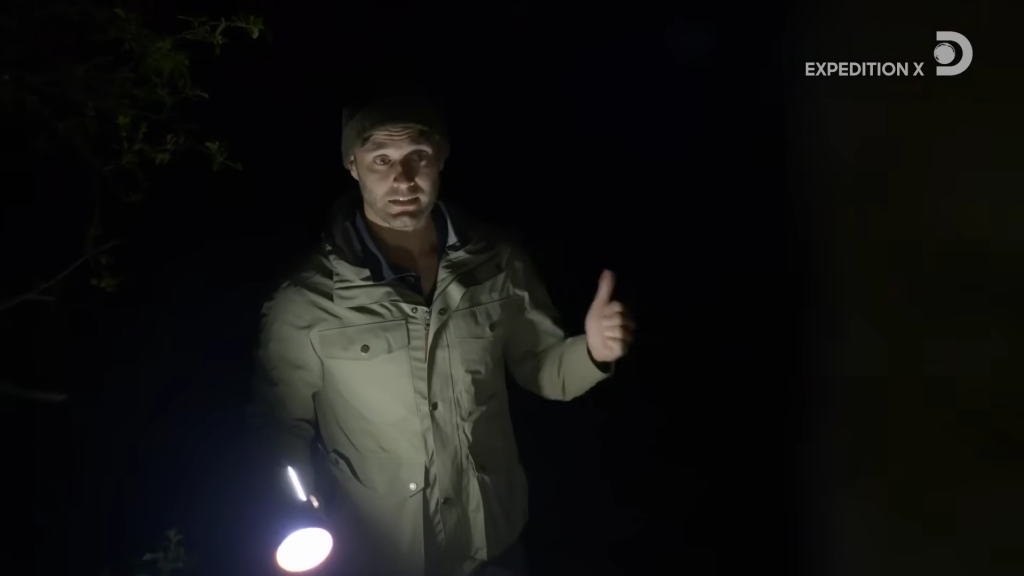
The sheer scale of Project Riese means that Phil and Heather were only scratching the surface of an underground city designed to withstand the apocalypse. The flashing of their equipment in the presence of these dark artifacts raises terrifying questions about the true purpose of the facility. Were these bunkers meant to protect military high command, or were they constructed as a gateway to summon something unimaginable from the abyss?
The agonizing tension of the episode is drawn from what remains unseen. Every shadowy corner of the cavernous Project Riese complex felt like it was hiding observers. As the team’s flashlights flickered and their EMF meters spiked erratically near the demonic chandelier, viewers were left paralyzed on the edge of their seats, wondering if the team was about to become part of a ritual that started eighty years ago.
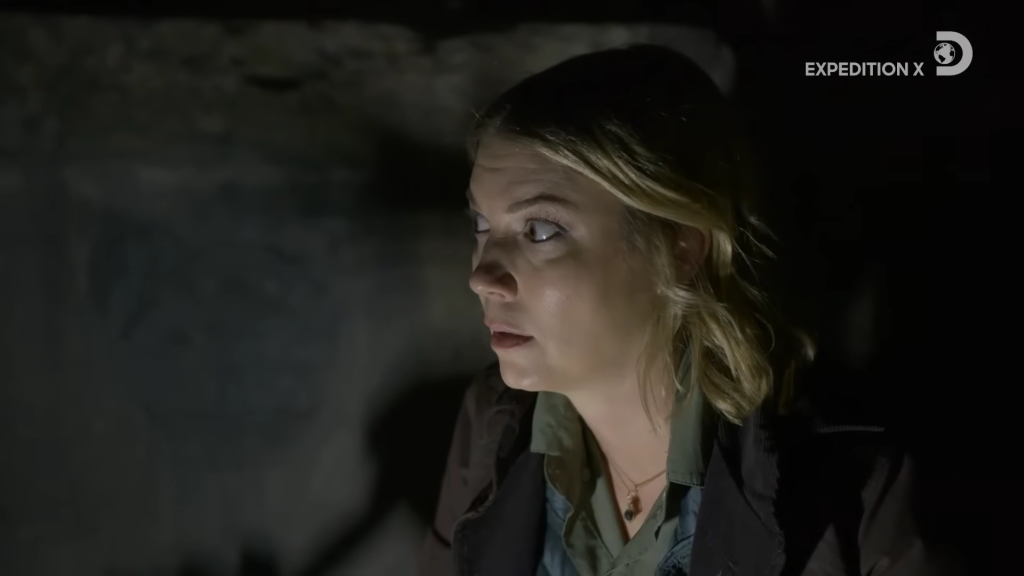
As the episode dramatically fades out, an unsettling and terrifying mystery remains about the true nature of the Totenburg Mausoleum. Deep-web paranormal forums are already erupting with theories about a highly classified audio anomaly captured deep within the Project Riese tunnels. Whispers suggest that a hot mic worn by Heather picked up the chilling sound of rhythmic, guttural chanting echoing from a collapsed, inaccessible corridor—chanting in a language that wasn’t German or Polish. If Expedition X unseals the unedited audio files in the next episode, we might finally discover that the dark entities summoned by the Third Reich never actually left the mountain.