Courtney Williams, a U.S. Army Special Operations veteran, faces federal charges for allegedly transmitting classified military tactics and procedures to journalist Seth Harp for his 2025 book on Fort Bragg.
A U.S. Army Special Operations Command veteran is facing federal charges for communicating and transmitting national classified defense information.
Courtney Williams was charged on Wednesday due to allegations that she provided classified information to a journalist. Williams signed a Classified Information Nondisclosure Agreement when she was hired in 2010 and again when she left her job in 2015, according to the complaint.
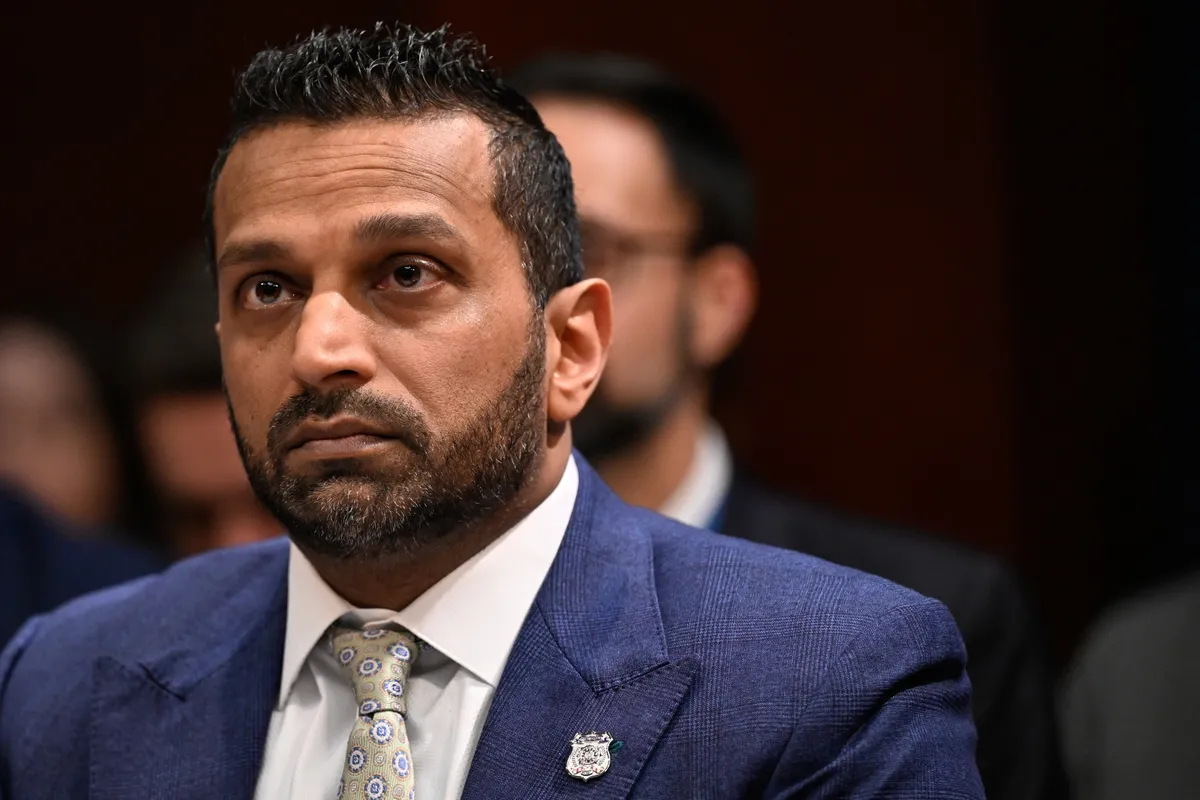
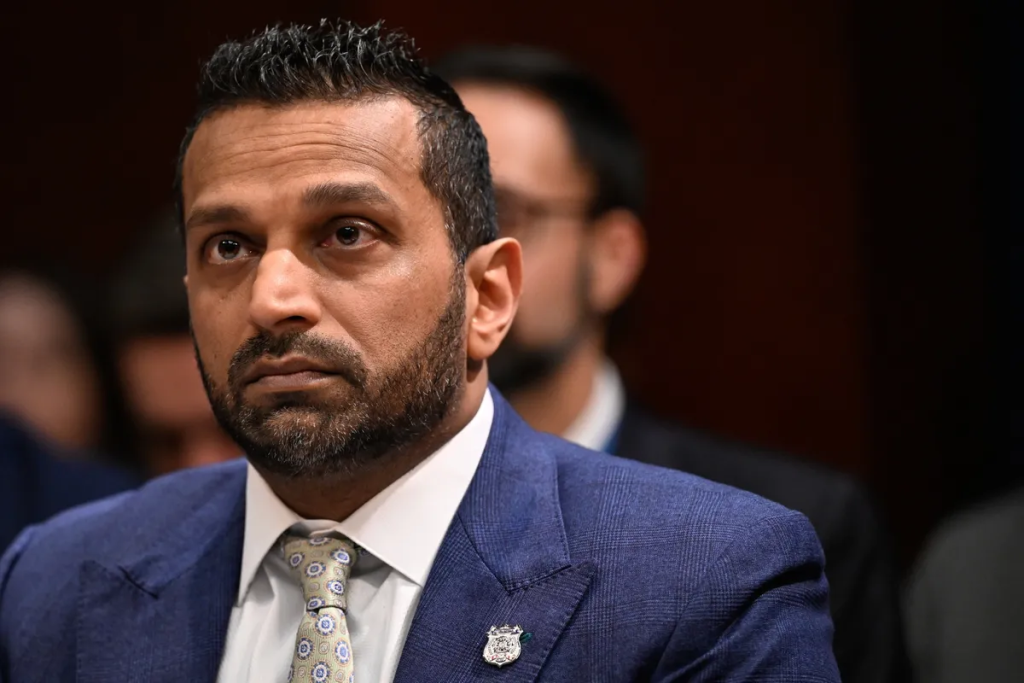
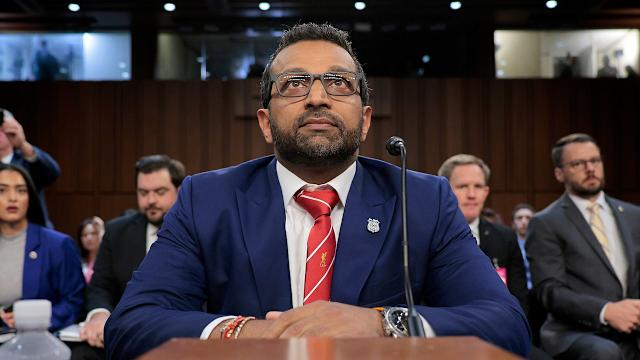
On Wednesday, FBI Director Kash Patel posted to X about Williams’ arrest. Patel thanked the FBI and the U.S. Justice Department in his post.
“Let this serve as a message to any would-be leakers: we’re working these cases, and we’re making arrests,” Patel wrote in part. “This FBI will not tolerate those who seek to betray our country and put Americans in harm’s way.”
The criminal complaint details communication between Williams and the journalist. While the complaint does not name him, Seth Harp wrote a book and an accompanying article that highlight Williams throughout.
According to the complaint, Williams spent at least 10 hours on the phone with Harp and exchanged approximately 180 text messages with him between 2022 and 2024.
One message from Harp discusses the exchange of data. “Just wanted to let you know I dropped this in the mail today for the thumb drive. It’s stamped and addressed and ready to be sent back, no need to go to the post office!”
The complaint also indicates Williams saved documents on her computer with file names “Batch 1 for Reporter,” “Batch 2 for Reporter” and that there were at least 10 batches of documents that Williams intended to provide to Harp, including personnel documents from her time with the Special Military Unit (SMU)
While reviewing the article during the investigation, the complaint says it “determined that it contained information that is properly classified as SECRET.” It continues, saying “The classified information comprised, in part, specific Tactics, Techniques & Procedures (TTPs) utilized by this (SMU) to execute sensitive missions.”
Harp declined an interview, but provided this statement about the charge against Williams:
“Courtney Williams is a brave whistleblower and truth-teller. Former Delta Force operators disclose “national defense information” on podcasts and YouTube shows every day, but the government is going after Courtney for the sole reason that she exposed sexual harassment and gender discrimination in the unit. This is a vindictive act of retaliation, plain and simple.”
Harp’s book, “The Fort Bragg Cartel: drug trafficking and murder in the Special Forces,” was released in August 2025. The book details several sexual harassment and discrimination experiences Williams had during her eight years with Delta Force, an elite counterterrorism unit based at Fort Bragg that often operates in secrecy.
Harp’s book was issued alongside an article with an excerpt from the book in a Politico article. Harp quotes Williams, and other military members, throughout the article, where she recalls higher-ups massaging her shoulders, making lewd comments about her body and being propositioned for sex.
In the complaint, Williams texted Harp about concerns she had about the article.
“Other than a few factual errors, I would definitely have been concerned with the amount of classified information being disclosed. I thought the things I was telling you so you could have a better general understanding how the [SMU] was set up or operated would not be published and it feels like an entire TTP was sent out in my name giving them a chance to legally persecute me and probably [Person 1].
The complaint also indicates Williams showed concern to her mother about this, saying, “I might actually get arrested, and I don’t even get a free copy of the book.” Williams indicated her concerns were “for disclosing classified information.”
Williams said to her mother, “I have known my entire career… they [the SMU] tell you every day … 100 times a day.”
Harper’s article also indicated an overall culture of misogyny, racism and an unprofessional atmosphere.
“It was like they were trying to herd cattle,” Williams is quoted in the article as saying. “Or take care of a bunch of children.”
In that same text message, Williams said, “I didn’t feel like the overall story that all of these women, to include myself, were all accomplished and intelligent, not just a set of [breasts], we were a brilliant group of women trying to do what was right for the [SMU] and our country.”
After Williams was relieved of her position, she filed an EEOC complaint for discrimination and was eventually given a settlement, she told Harp, “sufficient to buy a small house in North Carolina.”
 English