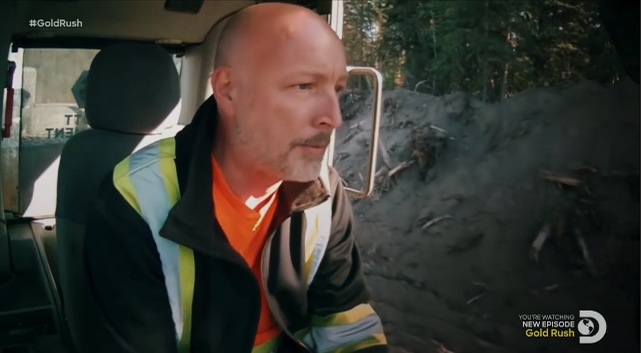
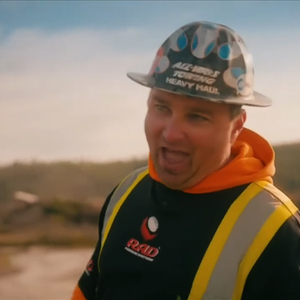
Gold Rush Season 17 enters Episode 9 with fan-favorite underdog Rick Ness betting his entire season on a bold, high-stakes pivot into the Snake River Cut—yet what television promos frame as a triumphant fresh start hides a brutal, suffocating crisis unfolding completely off camera: Rick is desperately trying to scale up a commercial mining operation in the middle of the Yukon season with nobody left in the territory qualified to run the iron.
While Friday night edits focus on glittering gold pans, test trommel cleanouts, and uplifting comeback speeches, the real war deciding Rick Ness’s fate is happening over silent phone lines, empty bunkhouse beds, and exhausting back-to-back shifts that never make the final broadcast.
Behind the Edit: The Invisible Klondike Labor Blackout
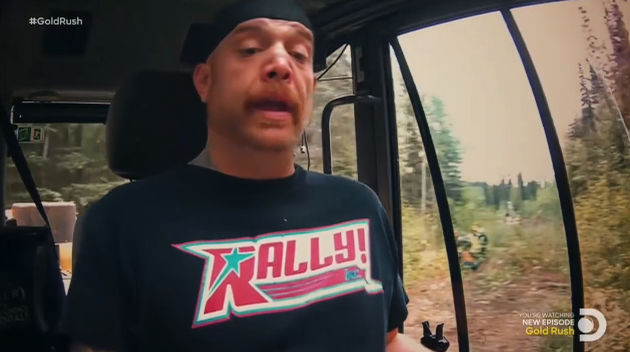
To casual viewers watching from home, finding two or three experienced heavy-equipment operators sounds as simple as placing a quick phone call. Off camera, however, the Klondike operates under a ruthless seasonal law: by the time autumn hits, every skilled excavator operator, rock-truck driver, and plant mechanic in the Yukon is already locked into a contract.
Across the valley, Parker Schnabel has absorbed dozens of veteran hands to feed four wash plants simultaneously—even as a sudden virus outbreak tears through his camp—while 70-year-old Dutch legend Tony Beets commands an ironclad family fortress backed by brothers, sons, and battle-hardened survivors of his 40-worker purge. That leaves Rick Ness scavenging through an empty labor market right when opening Snake River requires maximum stripping speed before sub-zero frost locks the ground solid.
Why Hiring Unproven Rookies Now Is Worse Than Having Nobody
Even more terrifying is the hidden trap waiting if Rick lowers his standards and brings in inexperienced greenhorns just to fill empty cabs. Television audiences just watched what happens when untrained drivers meet frozen Yukon mud over at Tony Beets’ Midas Cut—where rookies buried 55-ton articulated trucks, twisted rear dump beds sideways, and choked entire haul lines.
Off screen, Rick Ness enjoys zero financial cushion to survive a single rookie disaster. His aging, high-hour machinery cannot withstand sloppy shifting, overheated hydraulics, or misread permafrost slopes. While clutch mechanic Curtis Demeyer already proved he can perform lightning-fast field rescues when excavators fail, one mechanic cannot babysit inexperienced operators across an active pit while simultaneously prepping heavy wash-plant moves into Snake River.
The Silent Exhaustion Eating Away at Rick’s Loyal Core
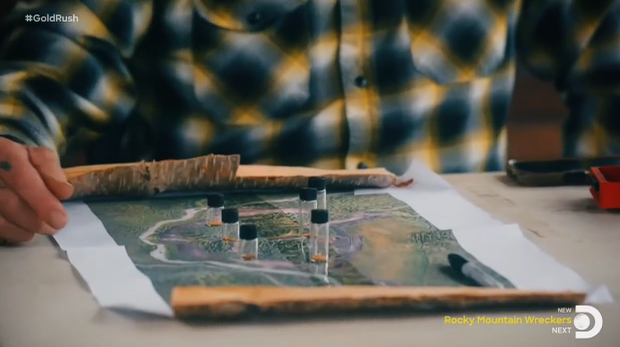
Because outside reinforcements simply don’t exist, the unseen price of Rick’s Snake River relocation lands squarely on the shoulders of his tiny, bone-tired inner circle. Cameras capture brief moments of determination, yet they rarely linger on the crushing physical and mental fatigue eroding veteran hands like Jason and Heather Folster behind the scenes.
Relocating an entire mining operation mid-season means tearing down pipelines, hauling heavy iron across rugged terrain, carving fresh access roads, and stripping thick overburden—all while trying to keep existing gold trickling in so diesel bills don’t bounce. Off camera, operators running sixteen-hour days without backup experience slower reaction times, clipped radio communication, and simmering frustration that threatens to fracture camp morale from within.
Cash-Flow Math That Television Never Puts on Screen
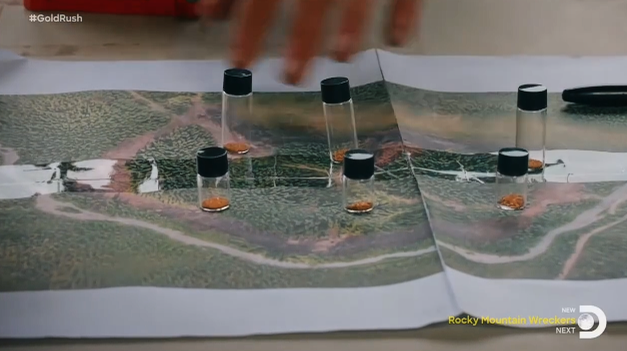
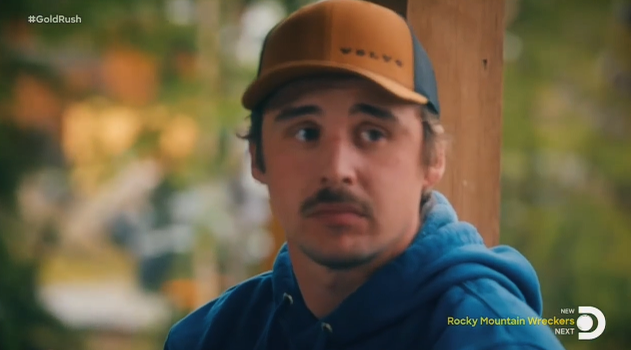
Finally, viewers rarely see the suffocating financial clock ticking inside Rick’s command trailer. Proving Snake River holds 1.2 ounces per 100 yards only pays off if Rick can push massive daily yardage through the sluice box. Every single day an excavator sits parked for lack of an operator—or runs at half capacity because one driver has to bounce between three machines—Rick burns thousands of dollars in overhead without moving enough dirt to turn a real profit.
A Comeback Fighting Against Empty Seats
As Gold Rush Season 17 barrels toward Episode 9 and the impending Arctic freeze, Rick Ness’s biggest enemy isn’t barren gravel or rival bosses—it is the invisible manpower vacuum starving his Snake River push behind closed doors. Unless Rick can squeeze miracle output from his exhausted skeleton crew without breaking his iron or his people, what looks like a bold comeback on television could stall out before winter arrives.