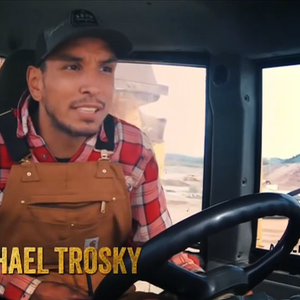
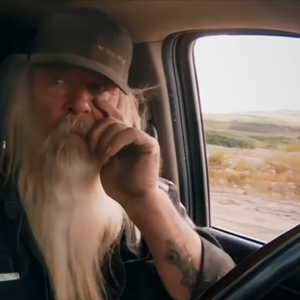
Gold Rush Season 17 watched greenhorn driver Michael Trosky get booted off the Midas Cut in disgrace—and despite what sympathetic viewers might think, his downfall wasn’t a string of rotten Yukon luck. When pit boss Nick Beets snapped and terminated Trosky permanently after Tony Beets had overruled him to grant a rare second chance, Nick wasn’t throwing a tantrum. He was reacting to a terrifying reality: Trosky had committed the three most fundamental, dangerous technical blunders in heavy rock-truck operation, with each mistake escalating in severity until the entire $65 million operation was put at risk.
In the Klondike, driving a 55-ton A60 articulated rock truck isn’t like steering a pickup down a muddy highway—and the moment a rookie ignores basic physics, steel twists, roads choke, and lives go on the line.
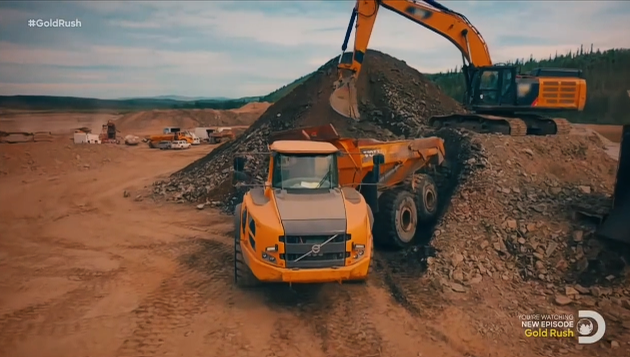
The 55-Ton Death Trap: Why Dumping Is the Deadliest Moment
To understand why Nick Beets’ blood boiled over, you have to understand the beast Michael Trosky was sitting inside. The A60 articulated haul trucks running at Tony Beets’ Midas Cut carry 40 to 55 tons of wet, sticky paydirt per load. When the rear dump bed sits down, the center of gravity stays low and the machine feels invincible. The instant an operator raises that towering steel bed to unload, however, the center of gravity rockets skyward—turning a 55-ton powerhouse into an unstable pendulum.
Mine safety manuals warn clearly that even a 3-to-5-degree sideways tilt on soft or uneven ground—or wet, frozen clay sticking to one side of the steel box—shifts the load violently off-center, wrenching the entire rear dump bed sideways and tearing hydraulic cylinders apart. In heavy mining, driving the truck isn’t the hard part; stopping to dump without flipping the bed is where real operators separate themselves from pretenders.
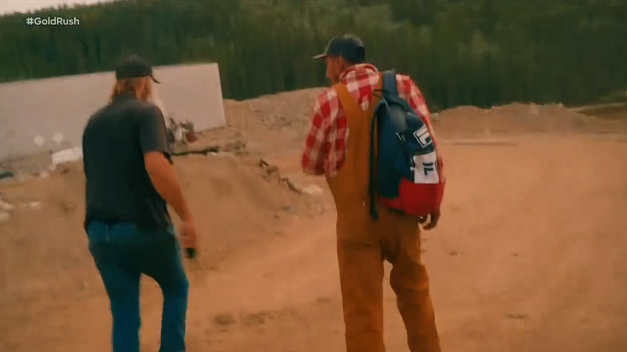
Blunder #1: Burying the Rig in Mud—Misreading the Ground
Trosky’s downward spiral began the moment thawing permafrost turned the Midas Cut into treacherous soup. Veteran operators read the terrain before entering soft mud: they follow compacted tire ruts, hold a steady low gear to preserve momentum, and the instant wheels lose traction, they ease off the throttle so spinning tires don’t dig their own grave.
Trosky did the classic greenhorn panic move—mashed the accelerator while spinning out, tearing up the soft earth beneath his tires until the 50-ton rig sank up to its belly. Forcing pit boss Nick Beets to halt operations and haul him out proved Trosky couldn’t feel traction loss through the seat of his pants before burying expensive iron.
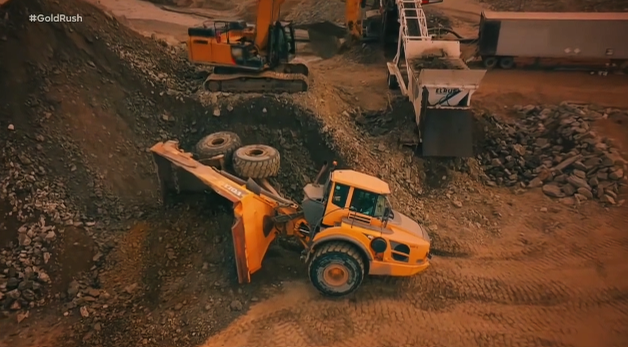
Blunder #2: Flipping Dump Bed #1—Ignoring the Dumping Checklist
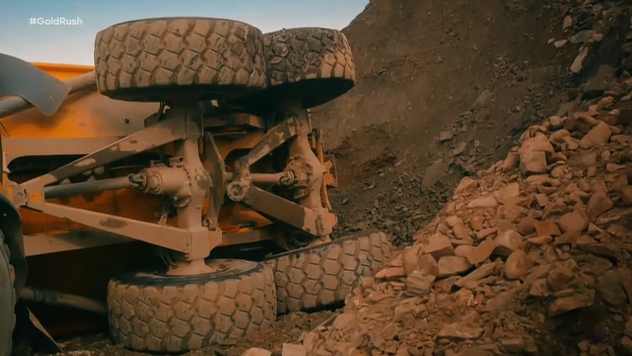
Handed a second rock truck after his mud rescue, Trosky escalated from a driving error to a critical unloading failure—flipping the rear dump bed sideways. A disciplined operator follows a strict mental checklist before raising a bed: park dead straight on firm, level ground; ensure sticky clay isn’t clinging unevenly to one wall; and raise the hoist slowly while watching mirrors so the bed can be lowered the split-second anything leans.
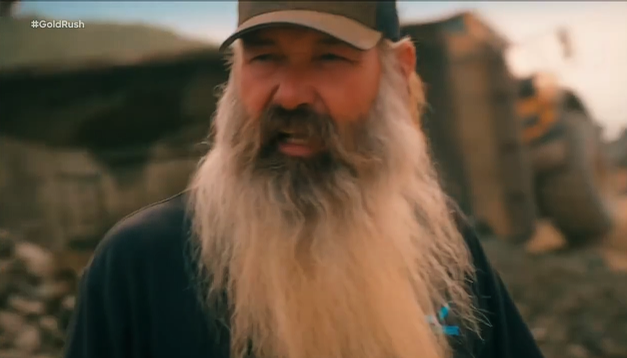
By violently twisting the dump bed, Trosky ignored basic unloading safety—blowing out hydraulics, blocking the haul road, stalling the entire line of loaded trucks behind him, and starving the wash plant hopper while thousands of dollars in overhead burned by the minute. Nick Beets fired him on the spot, only for Tony Beets to step in, soften up, and hand the rookie an astonishing second chance.
Blunder #3: Flipping Dump Bed #2—Refusing to Learn
That second lifeline exposed the ultimate line between an honest accident and pure incompetence. An accident happens when an operator follows every safety step yet hits an unforeseen hazard. Incompetence happens when a driver repeats the exact same catastrophic error in the exact same phase of operation minutes later.
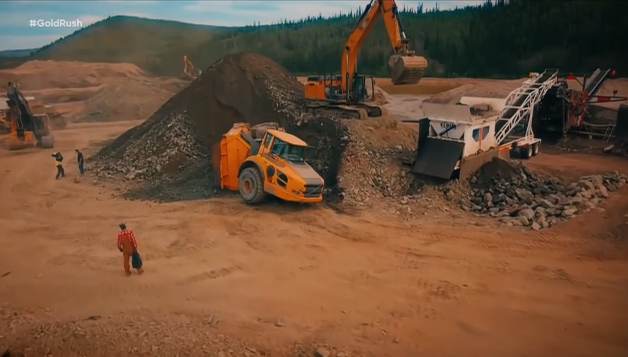
Climbing back into a cab, Trosky failed to diagnose why his first bed flipped—parking carelessly or hoisting blindly all over again until a second dump bed twisted sideways, choking the Midas Cut haul line twice. For Nick Beets, that repeat wreck proved Trosky didn’t understand ground evaluation or center-of-gravity physics—leaving zero choice except permanent termination and proving Tony Beets dead wrong for overriding his brother’s first call.