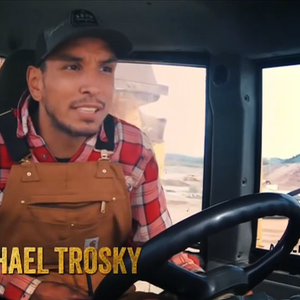
Gold Rush Season 17 pushed Parker Schnabel’s multi-million-dollar empire to the edge of total paralysis—and the rescue mission that saved his week wasn’t a polished, long-term engineering blueprint. It was a desperate, forty-eight-hour firefighting gamble cooked up in the freezing Yukon mud to keep the Roxanne wash plant from dying of thirst right when Little Flake Mining needed gold most.
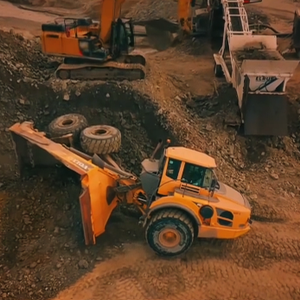
At its core, the survival play came down to one audacious move: turn massive articulated rock trucks into makeshift water haulers, rig improvised pumps and hoses across rugged terrain to refill a depleted holding pond, and pump that water back into Roxanne before the season slipped away.
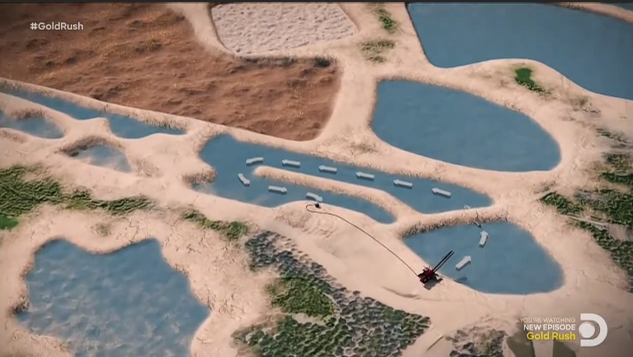
Why Running Dry Means Instant Death in the Klondike
To understand the panic gripping Parker’s camp, you have to understand a brutal truth about placer mining: a wash plant doesn’t dig gold—it washes gold with water. When paydirt hits the hopper, high-pressure water blasts away sticky clay, thaws frozen gravel, and lets heavy yellow metal sink safely into the sluice riffles. Without uninterrupted water pressure, mud turns to concrete, riffles clog solid, and every single ounce flushes straight out into the tailings pile.
Running four massive wash plants simultaneously—Phil, Roxanne, Golden Goose, and Bob—demanded astronomical volumes of water that pushed Parker’s entire infrastructure to its breaking point. Then three disasters struck at once: an endless stretch with zero rain, rapidly evaporating holding ponds, and a severe shortage of pipeline to pull fresh water from distant sources.
Four Desperate Steps to Keep Roxanne Alive
When master mechanic Mitch Blaschke inspected the Quagmire Cut and saw the water line plunging into the danger zone, he triggered a high-tension, four-step emergency protocol:
Step 1: Shut Down Roxanne to Save the Last Drops. Mitch made the agonizing call to kill Roxanne’s engines immediately. Shutting down meant sacrificing two full days of gold production, yet running the plant dry would have destroyed pumps, seized bearings, and guaranteed total gold loss.
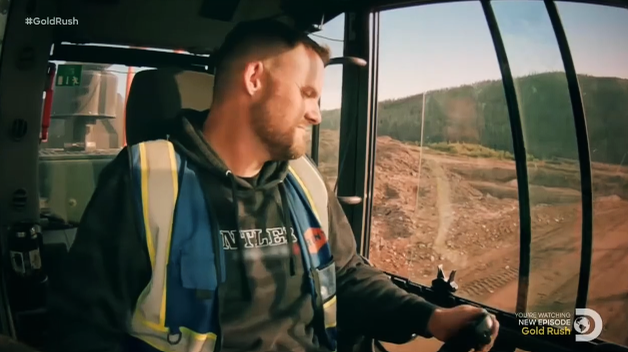
Step 2: Turn Rock Trucks Into Water Tankers. In the wildest pivot of the season, Mitch pulled the entire haul fleet off paydirt duty. For two grueling days, giant rock trucks crawled back and forth in slow, relentless loops dumping water instead of gravel. Veteran foreman Brennan Ruault initially questioned the gamble—knowing it burned massive diesel and cost forty-eight hours of dirt—yet with zero alternatives left, he swallowed his doubts and locked in. Simultaneously, Mitch and fellow foreman Tyson Lee rigged makeshift pumps and patched-together hoses across mud-choked terrain to siphon water from far-off sources.
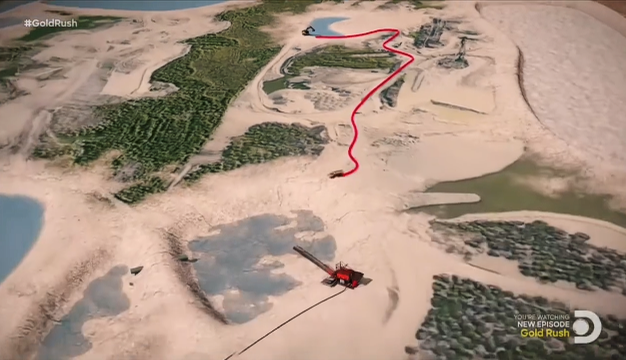
Step 3: Refill the Holding Pond Buffer. The crew wasn’t trying to feed Roxanne directly from trucks; they were racing to fill the holding pond. Only a full reservoir could deliver steady, unbroken water pressure so the plant wouldn’t sputter and bleed fine gold.
Step 4: Pump Back Into the Plant—and Survive a Mid-Mission Scare. Just as the water haul gained rhythm, trouble struck under the hood of a haul truck when a reservoir tank cracked mid-shift. Racing the clock, mechanics swarmed the rig, executed a rapid field repair, and threw it straight back into rotation before any extra days were lost.
The Brutal Price—and a $2.6 Million Payday
That high-wire water gamble came at a steep price: two full days without hauling paydirt, staggering fuel burn, exhausted operators pushed to the limit, and the constant terror that one blown pump or burst hose would collapse the entire lifeline. Had the water line failed, both Phil at the Road Cut and Roxanne at the Quagmire Cut would have choked—taking Parker’s 13,000-ounce championship dream down with them.
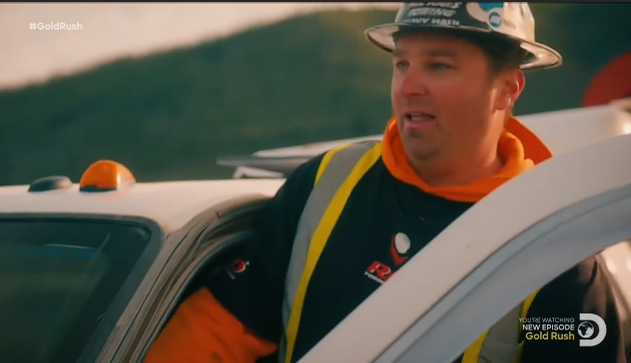
Instead, pure Yukon grit paid off in spectacular fashion. Despite losing two full days to the shutdown, Roxanne roared back to pull 118.30 ounces. Combined with 216.50 ounces from Bob, 69.30 ounces from Golden Goose, and a monstrous 218.95 ounces from Phil, Parker Schnabel stunned the valley with his biggest cleanout of the season—a jaw-dropping haul worth over $2.6 million that proved no drought can stop a crew willing to rewrite the rules in the mud.