The jagged cliffs of Cape Maeda in Okinawa, Japan, are breathtaking by daylight. But when the sun plummets below the horizon, this scenic coastline transforms into a terrifying labyrinth of shadows and forgotten souls. In the latest nerve-shredding episode of Expedition X, the team embarked on a treacherous night investigation that pushed their psychological limits to the absolute brink.
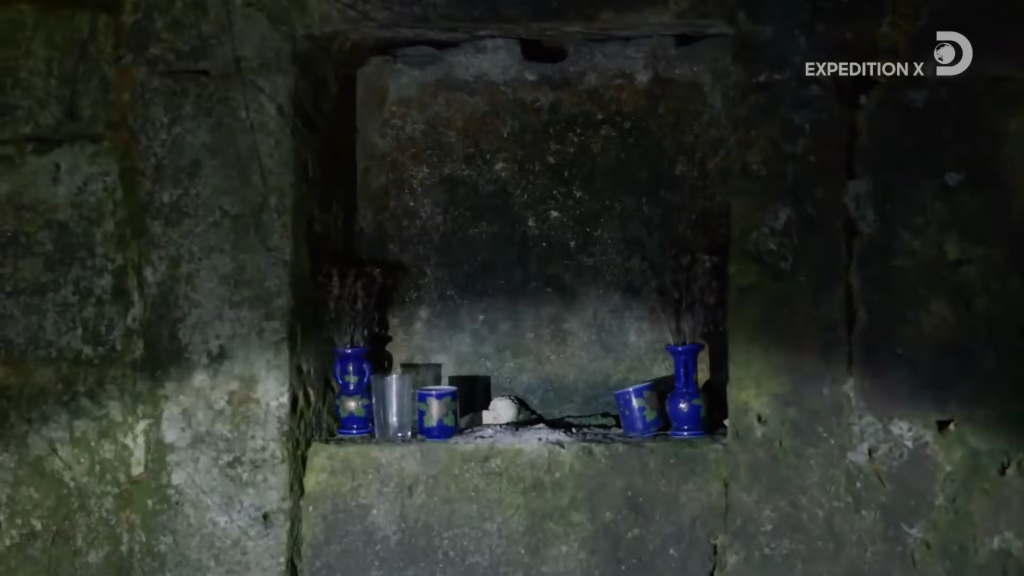
Guided by the relentless curiosity of Josh Gates, Phil Torres and Jessica Chobot scaled the perilous coastal rockfaces in pitch darkness. Their destination was a series of ancient, isolated stone tombs carved directly into the unforgiving cliffs. These aren’t just empty caves; they are sacred repositories for human remains subjected to the ancient, chilling ritual of Senkotsu.
For centuries, the Senkotsu tradition involved the literal washing and purifying of a deceased loved one’s bones before placing them into heavy ceramic urns. As the Expedition X hosts squeezed into the claustrophobic stone vaults, they were immediately surrounded by these very urns. The air was thick, suffocating, and heavy with the undeniable presence of the dead.
Jessica Chobot, deeply attuned to the paranormal, immediately felt the oppressive, sorrowful energy of the cliffside graveyard. The historical trauma of World War II, which heavily scarred the Okinawan landscape, seemed to bleed into the ancient spiritual rituals of the island. Walking among exposed human remains in the dead of night visibly drained her, sparking a quiet but intense debate about the ethics of their intrusion.
Biologist Phil Torres desperately tried to anchor the terrifying atmosphere in scientific reality, but the caves had other plans. As their night-vision cameras panned across the cracked ceramic urns, the glowing green screens revealed a biological nightmare. Massive, aggressive huntsman spiders had colonized the sacred tombs, their spindly legs wrapping around the bone-filled vessels.
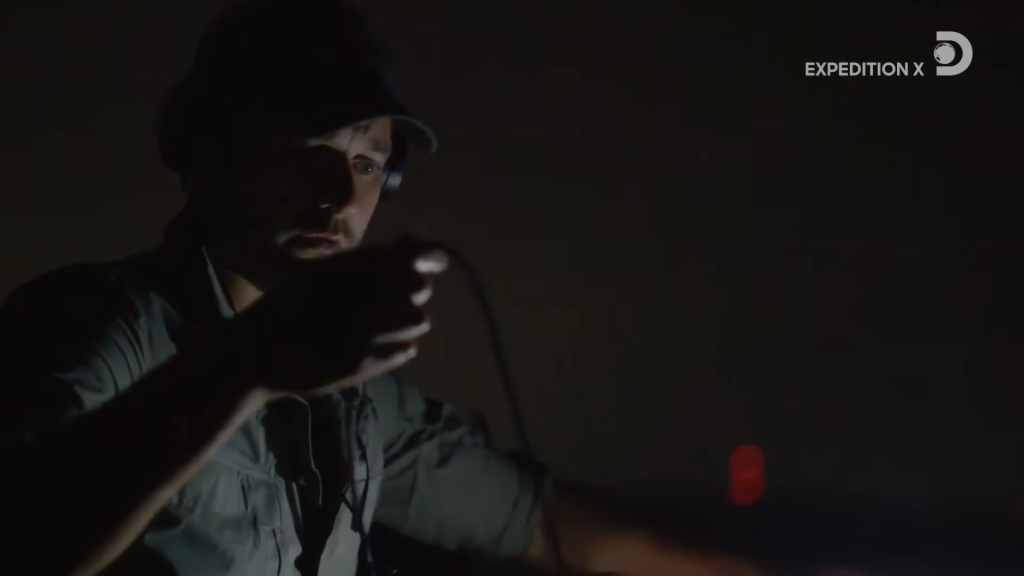
Normally, Phil would eagerly explain the ecological role of these giant arachnids. However, even the pragmatic scientist seemed utterly rattled by their unnatural, swarming behavior in the suffocating darkness. The spiders didn’t scatter from the camera lights; instead, they appeared to stand their ground, acting as grotesque, eight-legged guardians for the deceased.
The tension between Phil’s desperate logical rationalizations and Jessica’s growing terror created a palpable, suffocating dread. Why did the biological life in this cave feel so distinctly hostile and defensive? As the night wore on, the team’s high-tech equipment began to experience sudden, unexplained power drains that no battery pack could fix.
Did the cameras shut down naturally, or did the production team cut the feed to hide something truly horrific? Viewers with sharp eyes have already taken to Reddit to point out strange, distorted audio artifacts bleeding into the microphone feeds right before the commercial breaks. There were faint, rhythmic scraping sounds echoing from the deepest corners of the cavern—sounds that definitely weren’t made by spiders.
The sheer exhaustion and panic on the hosts’ faces as they navigated the sheer drop of the cliffs suggested a desperate need to escape. They had crossed a boundary between the world of the living and a highly sacred, highly volatile realm of the dead. You cannot simply walk into a Senkotsu tomb, blind the guardians with flashlights, and expect to leave without consequence.
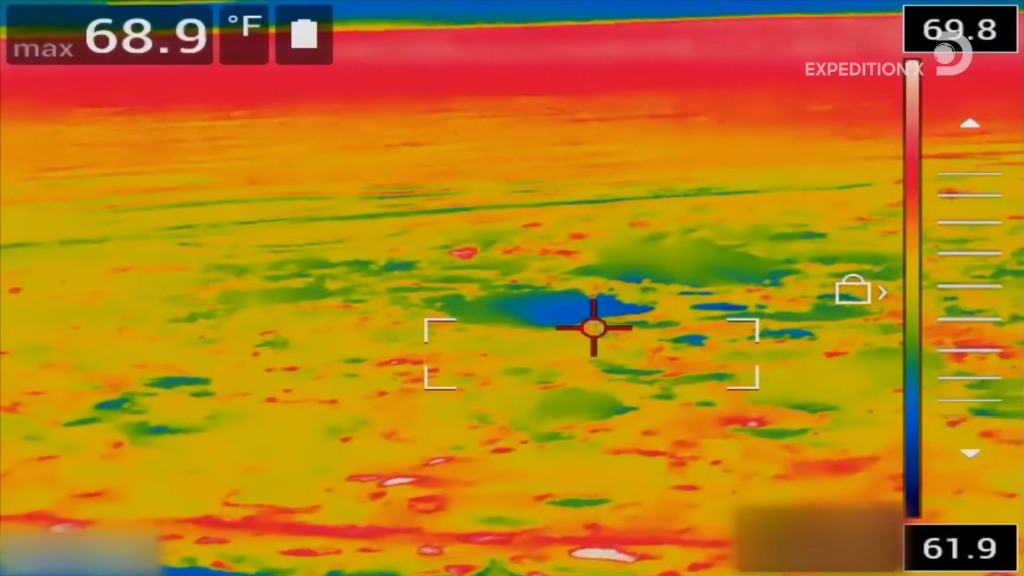
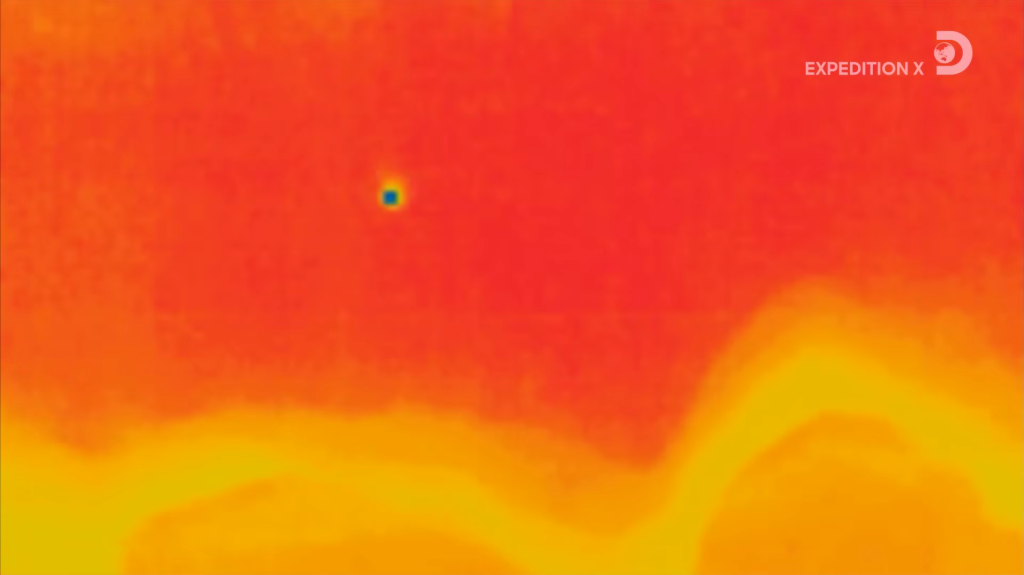
As the episode fades to black, a terrifying, unanswered question lingers over the entire Okinawa expedition. Whispers in the paranormal community suggest that a classified piece of thermal footage from the cave has been locked away by the producers. Rumor has it that right before Phil and Jessica fled the tomb, their thermal camera picked up a bright, burning red heat signature emanating directly from inside one of the supposedly cold, ancient bone urns. If Expedition X ever releases that raw footage, we might finally learn what exactly they woke up in the dark.