In the fading light of Autumn 1236, as the shadows of greed and persecution from European monarchs began to close in on the Knights Templar, a phantom fleet slipped out of the port of La Rochelle. Their cargo was whispered to be more than just hoards of gold and silver—it held ancient, world-shattering documents destined to rewrite history.
Battling the fury of the North Atlantic and guided by celestial alignments they deemed divine, they chased the horizon until a silhouette emerged through the heavy mist: Oak Island.
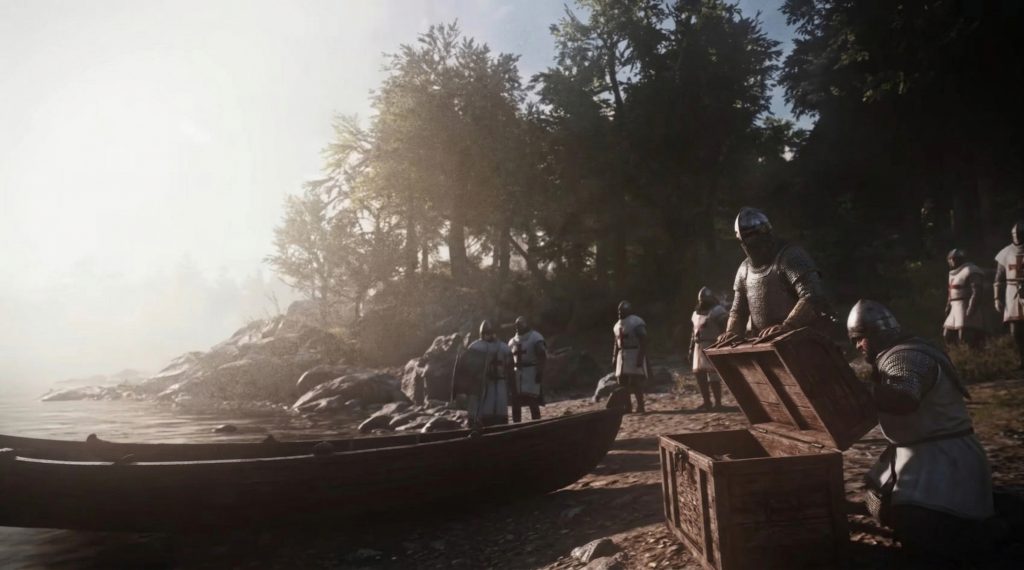
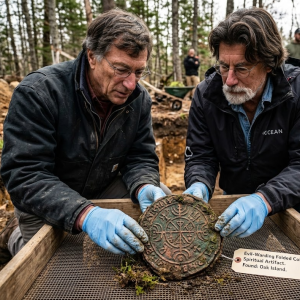
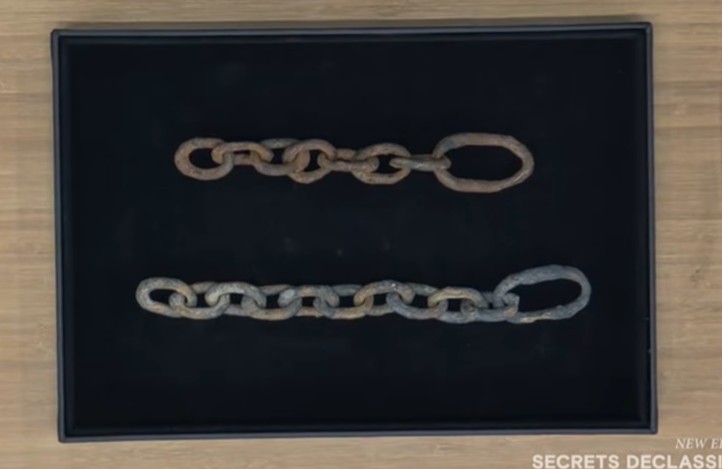
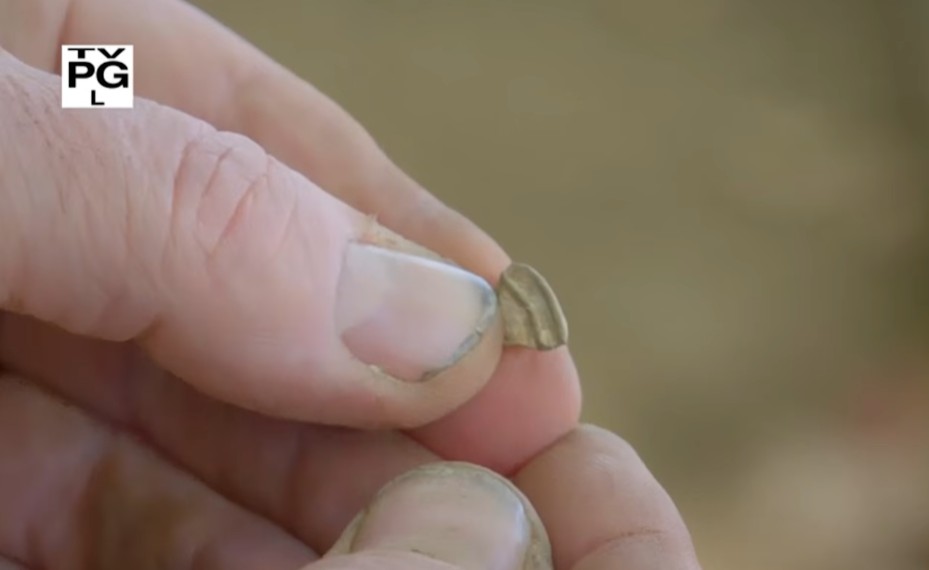
To safeguard their legacy for eternity, these warrior-monks engineered a labyrinth beneath the earth. Using massive iron chains—the very links later identified by expert Carmen Legge—they rigged heavy wooden chests into the lightless depths. Amidst the grueling toil in the freezing mud, a single metal button was torn from a knight’s cloak—the same relic recently unearthed by Mikayla and Tansy on Lot 5—vanishing into the soil to wait for centuries.
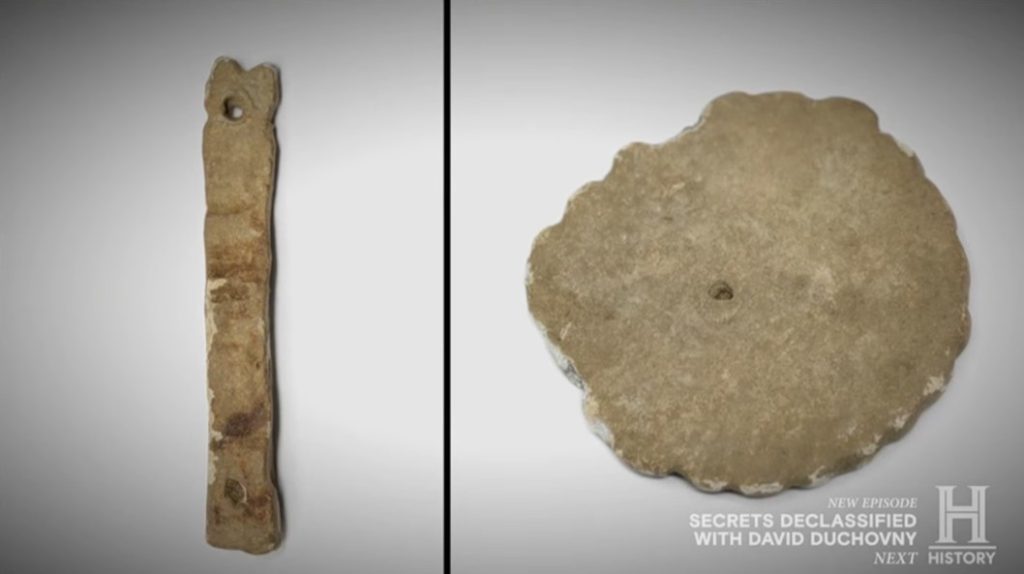
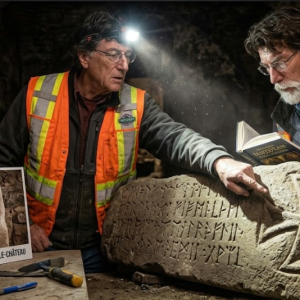
They were not merely soldiers; they were master architects. On Lot 5, they raised a stone structure with haunting precision. It was no random pile of rocks, but a monument aligned perfectly with the constellations as they appeared the moment they stepped ashore—creating the “Axis of Medieval,” a celestial map hidden in plain sight.
The ancient lead seals found on the island, originating from the trade routes of England and France, remain as the final fingerprints of these crusaders. Before scuttling their ships to erase all traces—explaining the sunken timbers now found deep in the swamp—their commander cast one final look at the island that would become their vault.
They believed that, protected by the crushing tides and the silent stars, their secret would sleep until the “worthy” arrived. Now, eight centuries later, the Lagina brothers are grasping at those very iron links and lead seals, finally awakening a legend that has been buried for far too long.