Oak Island—a small, nut-shaped piece of land off the coast of Nova Scotia—has long ceased to be a mere geographical location. It has evolved into a symbol of obsession, a labyrinth of theories, and a burial ground for secrets where, for centuries, blood and fortune have been spent in pursuit of an enigma.
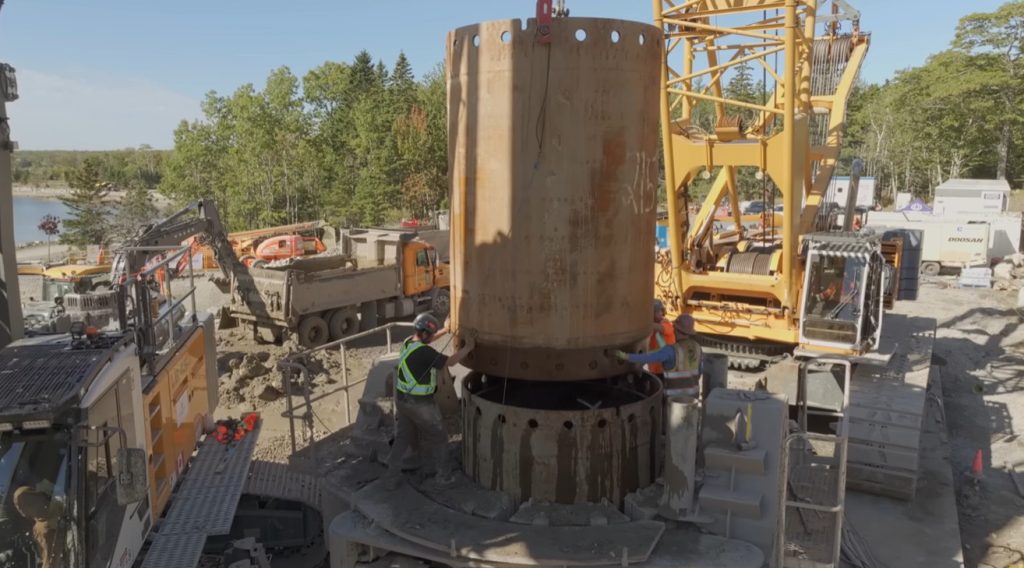
In the latest developments at the Peacock-1 shaft, enthusiasts and treasure hunters alike are once again on the edge of their seats as “speaking” physical evidence begins to surface.
When the Earth Begins to Speak
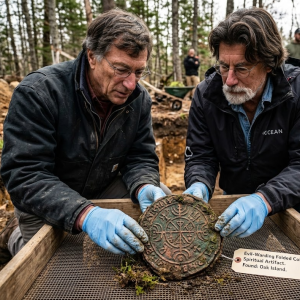
After a series of seemingly futile efforts, the Lagina team is closer than ever to what can be called “historical truth.” At the Peacock-1 borehole, located directly within the legendary Money Pit area, the first buckets brought up from record depths are carrying more than just mud; they are carrying the hopes of an entire generation.
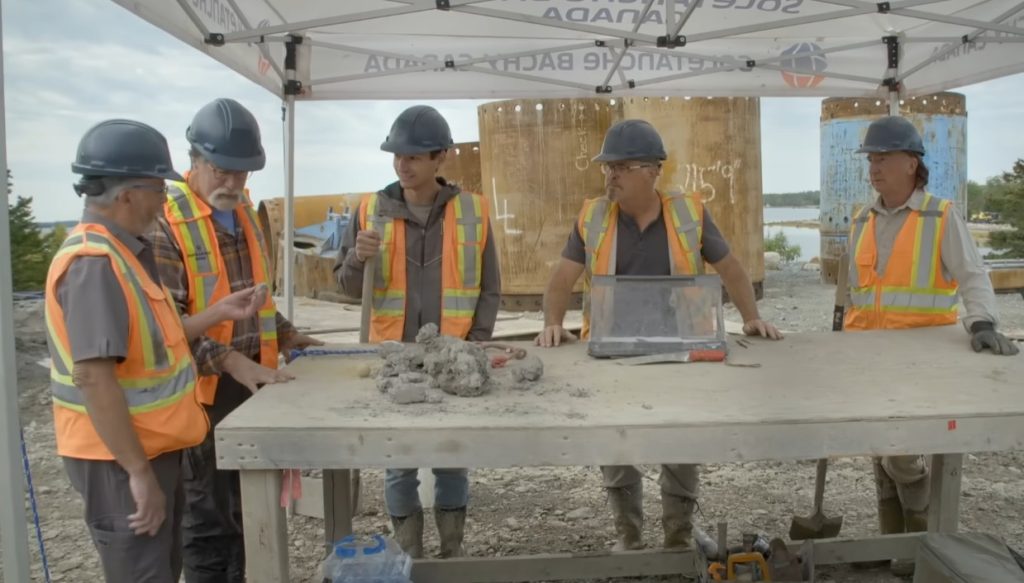
The question is: Why now? And why do mere fragments of material cause seasoned experts like Rick Lagina to stand in awe? All suspicions point toward a fateful number: 153 feet—the figure that has haunted treasure hunters since the late 19th century.
A Collision of History and Drilled Spoils
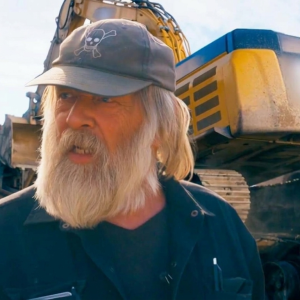
Excavation progress at Peacock-1 has now reached a depth of 170 feet (approximately 52 meters). In the world of archaeology and mining, this is not just a technical milestone; it is the “death zone” of hypotheses. Evan, the drill operator, reports a massive amount of “spoils” (excavated earth) being brought to the surface. To the untrained eye, it is waste; but through Rick Lagina’s lens, these are the scattered pages of a buried diary.
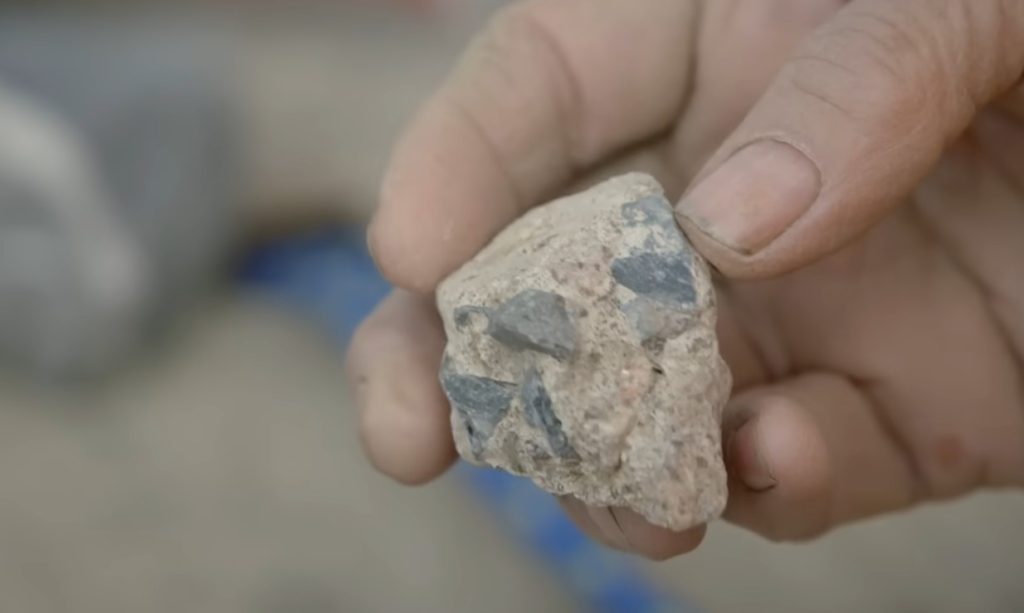
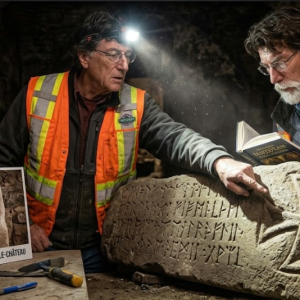
The lynchpin of this entire investigation is the discovery of strange concrete (or cement) fragments. To understand its significance, we must travel back to 1897. At that time, renowned treasure hunters Frederick Blair and William Chappel claimed to have found a peculiar structure at 153 feet: a 7-foot-tall wooden vault encased in concrete, famously known as the “Chappel Vault.”
Finding concrete at Peacock-1 at a nearly identical depth is no longer a coincidence. It is a dramatic validation of historical data. The logic is simple yet earth-shattering: If the concrete is real, the vault is real. And if the vault is real, then what lies within—gold bullion, ancient parchment, or the 13th-century Templar relics often whispered about—is no longer the stuff of fairy tales.
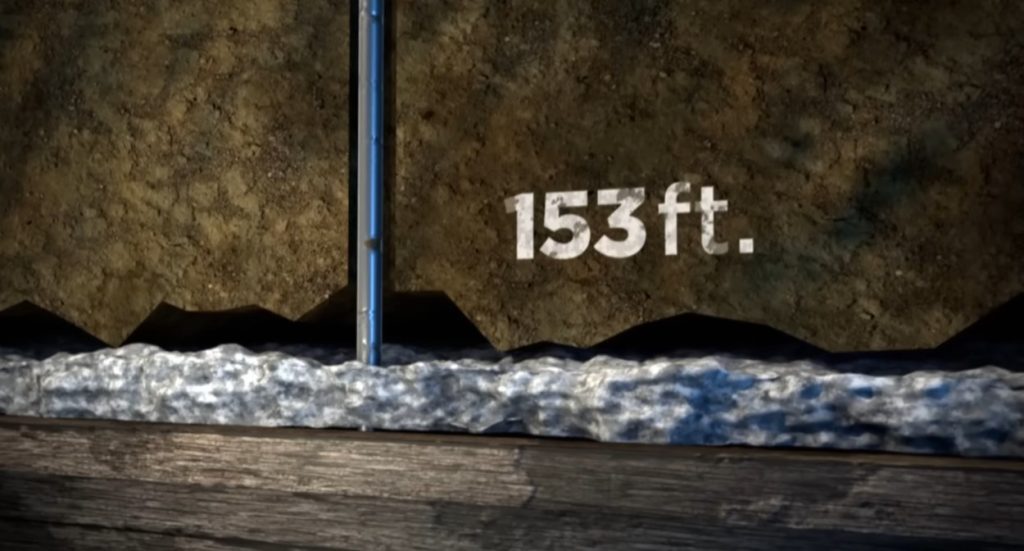
Expanding on this, the presence of concrete 50 meters underground centuries ago is a testament to an engineering sophistication far beyond the capabilities of simple farmers. This points to a complex hydraulic system, a man-made structure designed to protect something of immense value—perhaps the $150 million treasure mentioned in recent theories. Every cubic meter of spoils from Peacock-1 now carries the weight of a national treasure.
The Ground Zero of Truth
Based on the current evidence, we have the right to form an optimistic hypothesis: The Oak Island team isn’t just digging dirt; they are unearthing history. Confirming the location of the “Chappel Vault” through these concrete fragments is the final key to the Money Pit’s door.
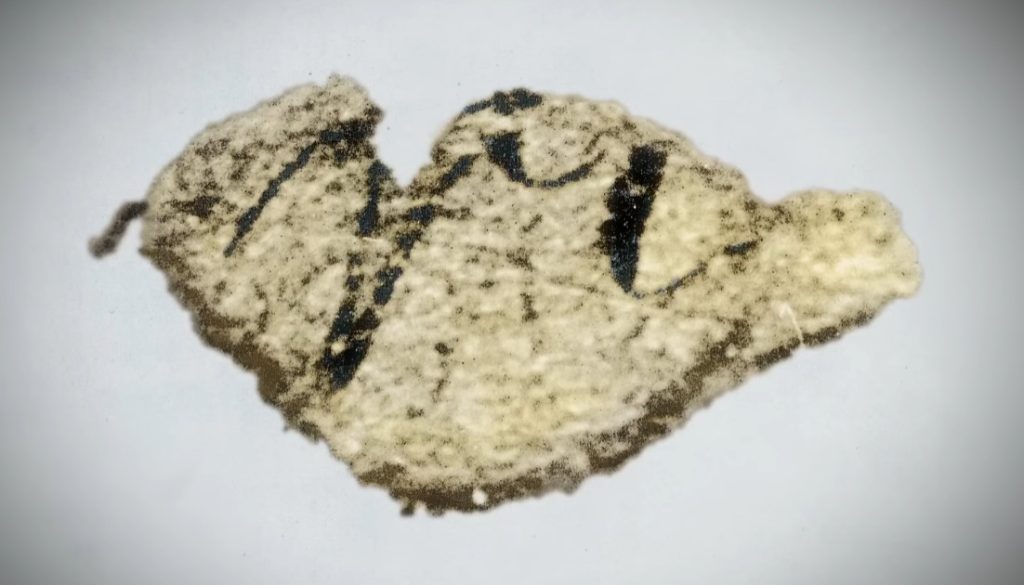
My verdict? In the coming weeks, if the drill buckets continue to pierce through this concrete casing, we may witness the greatest archaeological discovery of the 21st century. Artifacts like gold or parchment (a small scrap of which was reportedly found in 1897) would serve as the ultimate confirmation of a tangible hoard.
The “curse” of the island dictates that seven must die before the treasure is found. But with modern technology and the undeniable physical evidence at Peacock-1, perhaps the Lagina brothers will break the curse with persistence and science, rather than tragic sacrifice. The 200-year-old mystery is finally retreating before the light of new discovery.
Do you believe the treasure is sitting right beneath that drill bit? The answer is likely only a few feet of earth away.